
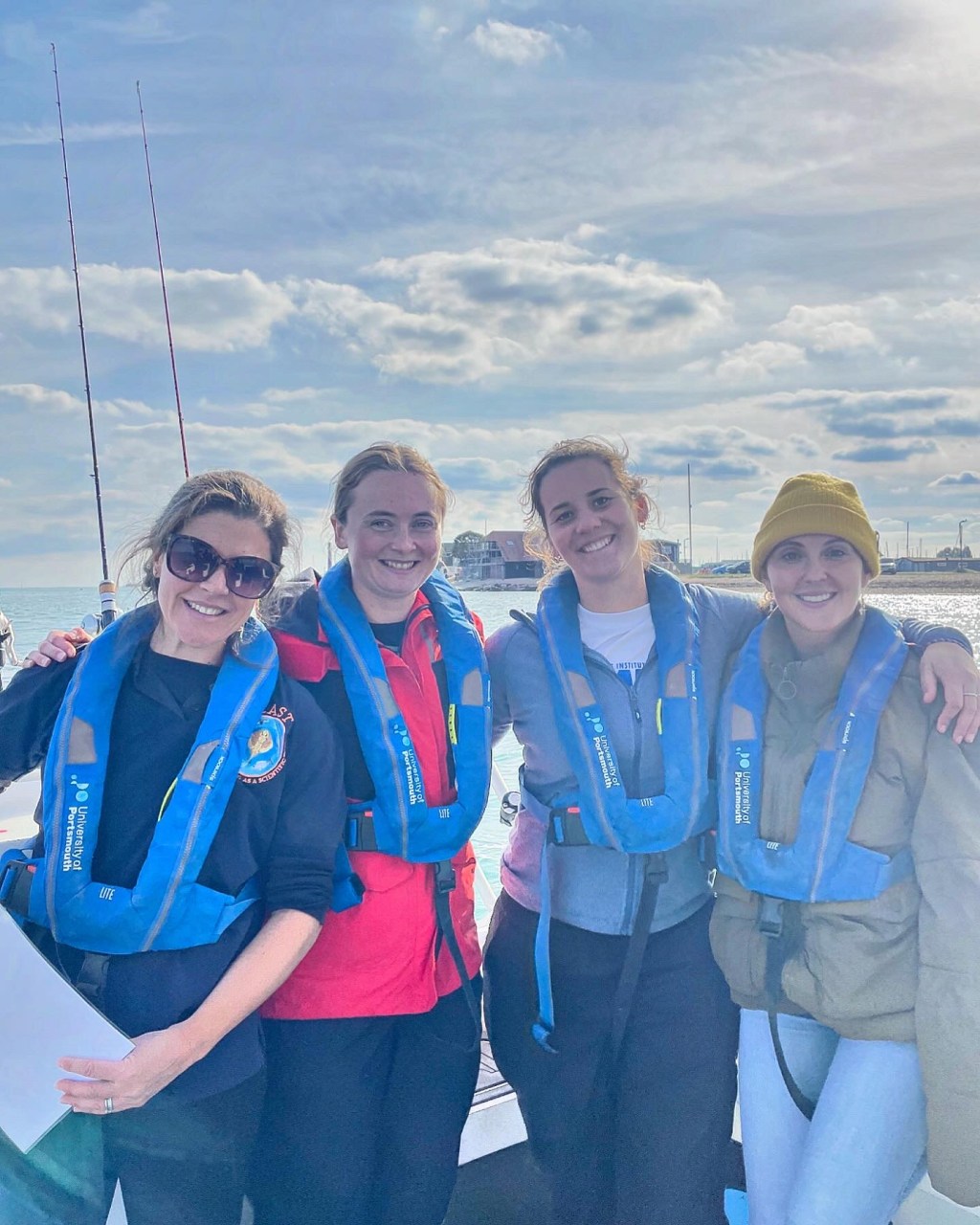
The majority of data we have collected thus far during the CAST project through video and image analysis has provided us with information that we can see with our own eyes. But what about everything we can’t see?
Read on to find out more about how we are using the wonders of eDNA to get a glimpse into an invisible world out in the Solent…
Background to the CAST project
As you might know by now, the CAST project uses citizen science data collected from the annual Sea Angling Classic fishing competition to build a picture of the distribution, life stages and habitat preferences of data poor fisheries in the Solent, specifically focussing on the five competition target species: bass, bream, tope, smoothhound and skates/rays.

Following this summer’s competition, we now have four years’ worth of data for these five target species. This includes length and GPS location of each catch, as well as photographs of all individuals, and GoPro videos of the fishing activity. We are using the latter to help us calculate Catch Per Unit Effort which can give us an understanding of abundance of each species in certain areas. You may have seen from a previous blog how we’ve used this CPUE data to choose specific areas to look more closely at what might be driving these areas of differing abundance. For example we’ve deployed BRUVs at 30 sites across the SAC competition area to have a direct look at the surface of the sea bed and the associated marine life down in the depths.
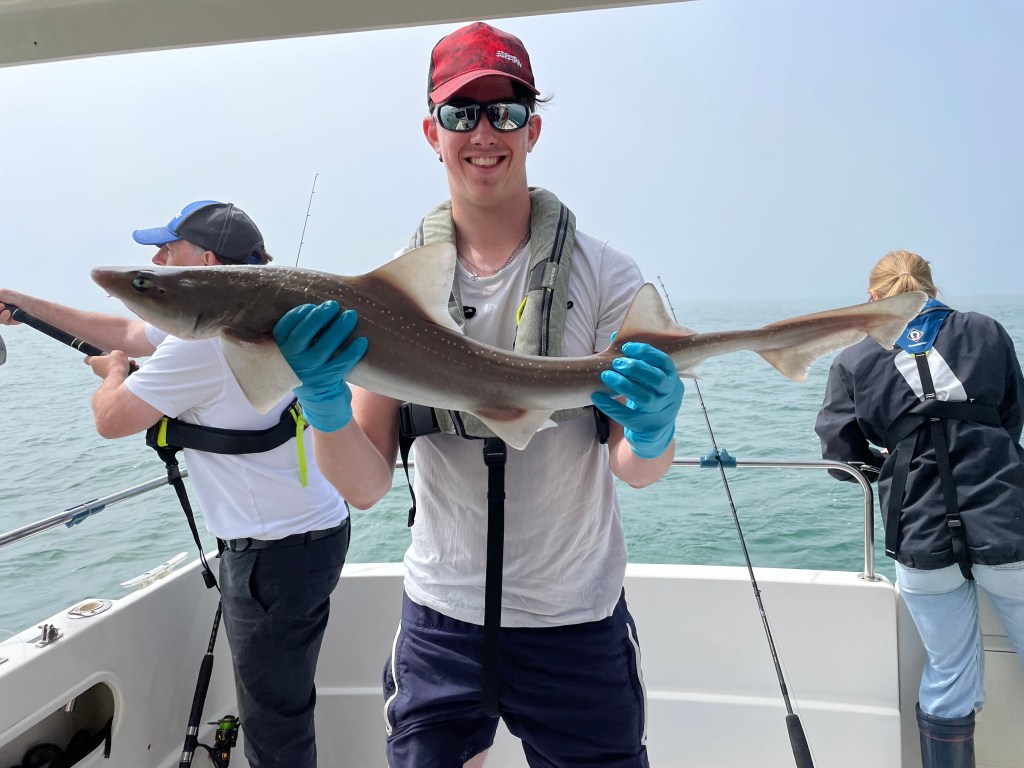
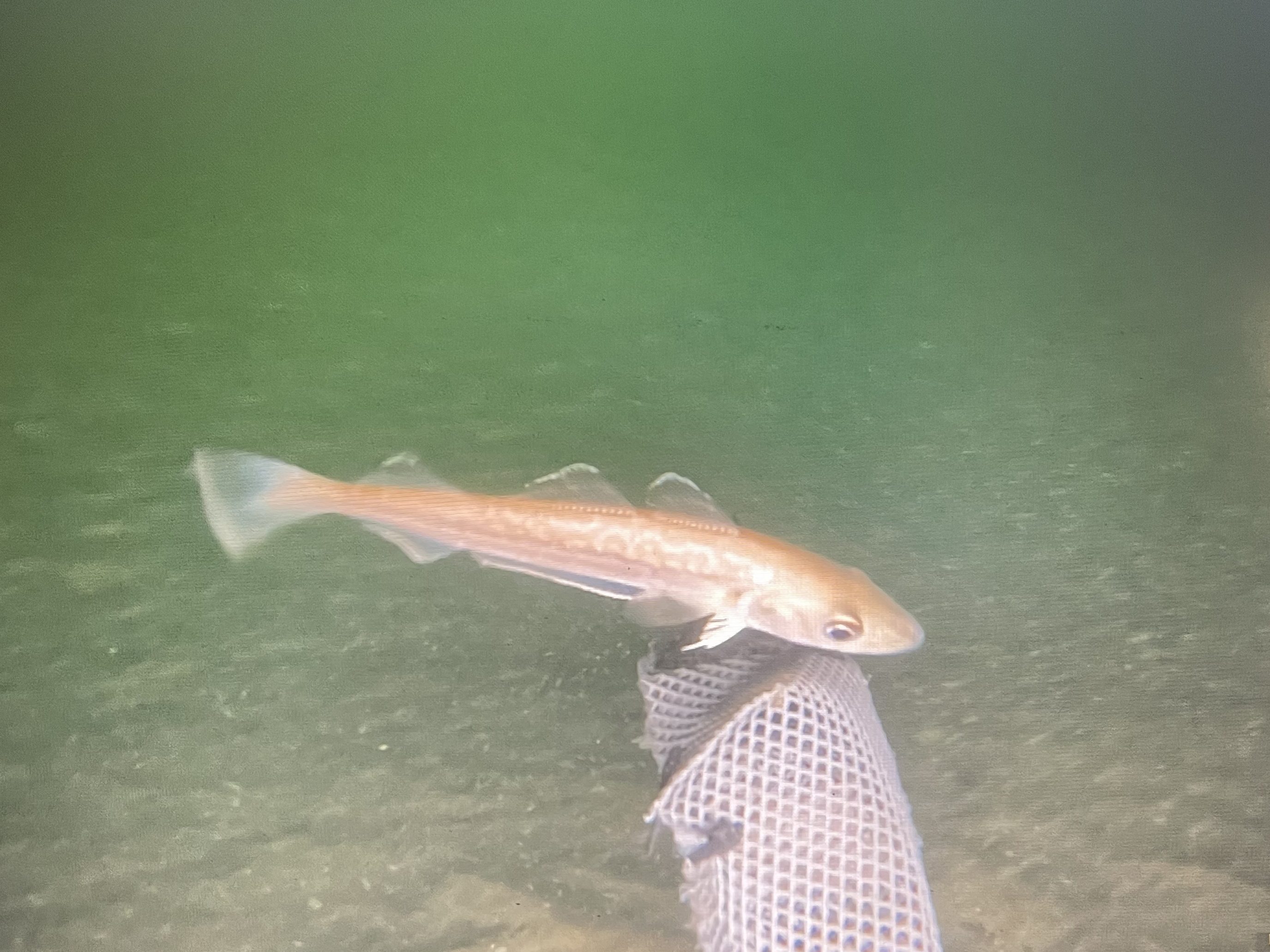
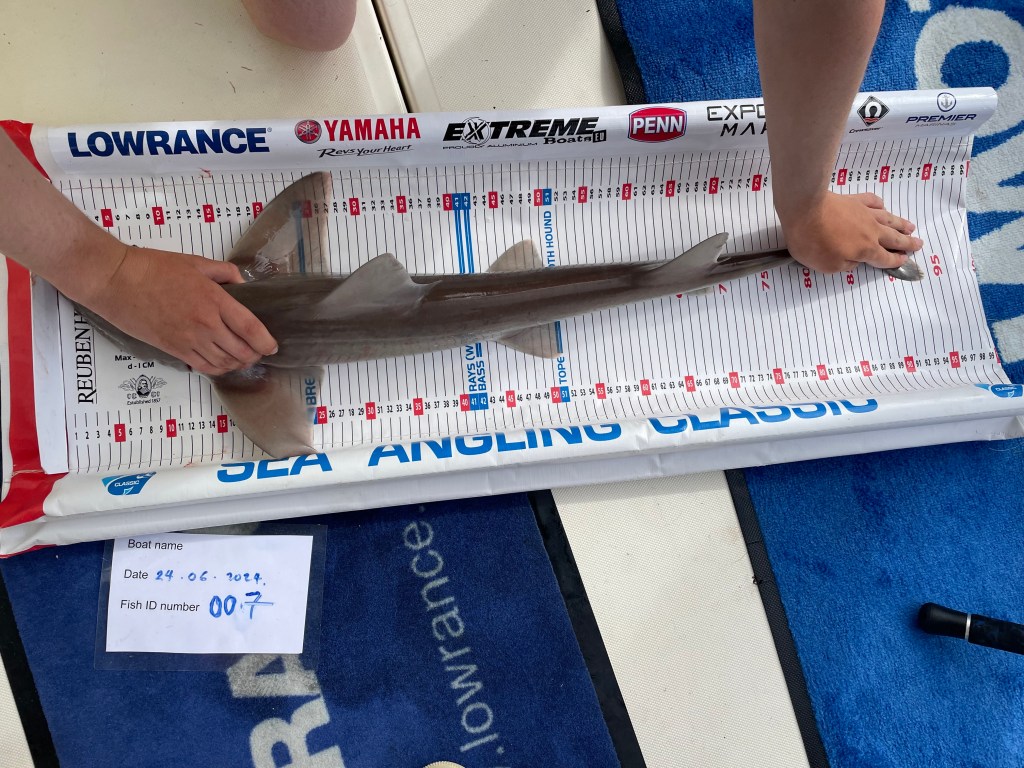
Examples of visual data we have collected from fishing days and BRUV analysis
However most of this data is based on what we can physically see. But what about everything we can’t? What about the elusive prey species that might be too wary to approach the BRUVs? Or scared off by larger predators hogging the bait bag? This is where eDNA comes into play: it allows us to see it all without seeing it all.
DNA soup…
eDNA is environmental DNA. All living organisms leave a shadow of their genetic profile as they pass through a body of water, much like humans do when going about our every day business shedding hair and skin cells. By collecting water samples and analysing the DNA contained within them, we can identify which organisms have been present in that location, whether we have seen them or not. We can then begin building a picture of the presence of prey, competitors and predators in that area. And by comparing these populations between sample areas (and particularly between areas of high, medium and low CPUE) we can start to understand what is driving these differing abundance levels.
Collecting our samples
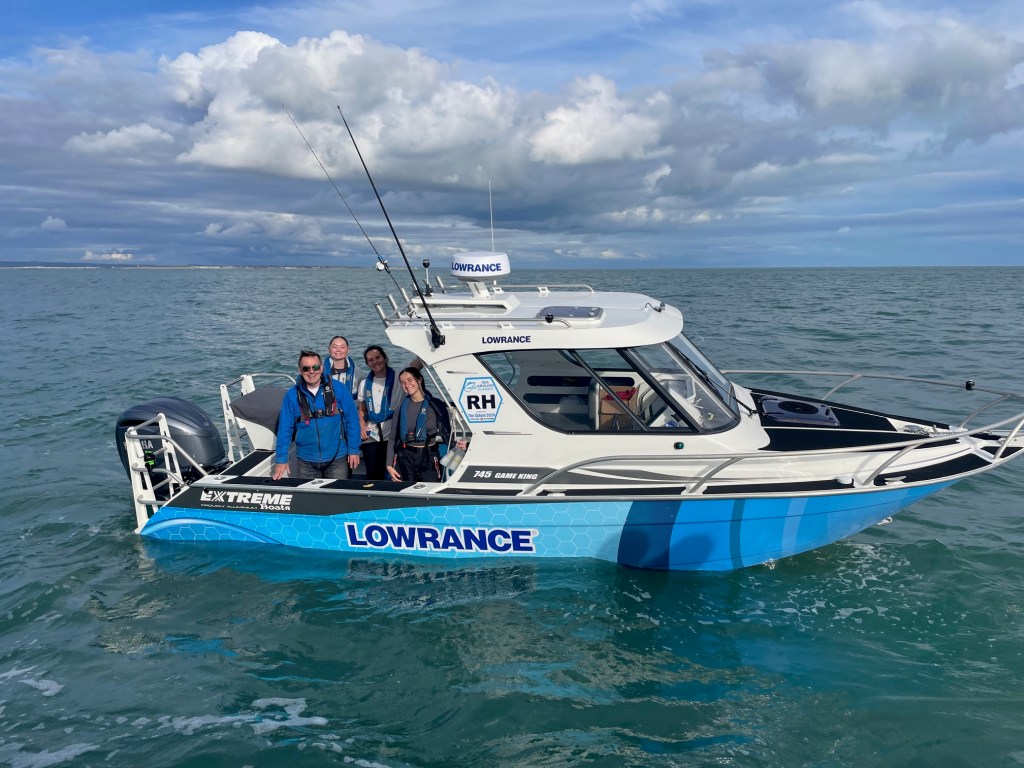
We began by selecting five areas each of high, medium and low CPUE, all measuring 1km x 1km, within the SAC competition area (making a total of 15 sample areas). 3 further randomly selected sites from within these 15 areas were then chosen, giving a total of 45 sample sites. The team were taken out by Ross Honey and daughter Sophie on their Extreme boat during October to collect eDNA samples.
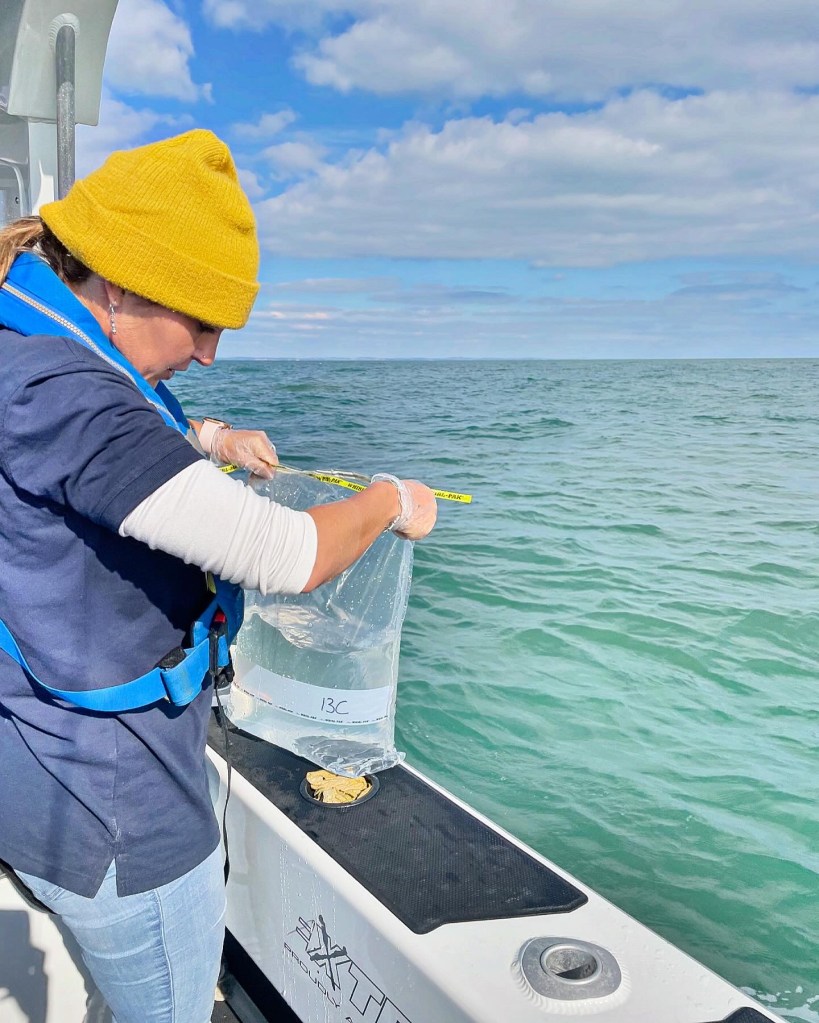
Once we had reached the sample sites, one of the CAST team collected a 5L seawater sample in a labelled sterile bag, sealed it tight and placed it in a sterile orange bucket for safe transport back to shore.
We collected 9 samples per day as well as one control sample, and once all 10 samples were safely stored away we raced them back to the lab at the Institute of Marine Sciences (IMS) in Eastney for processing.
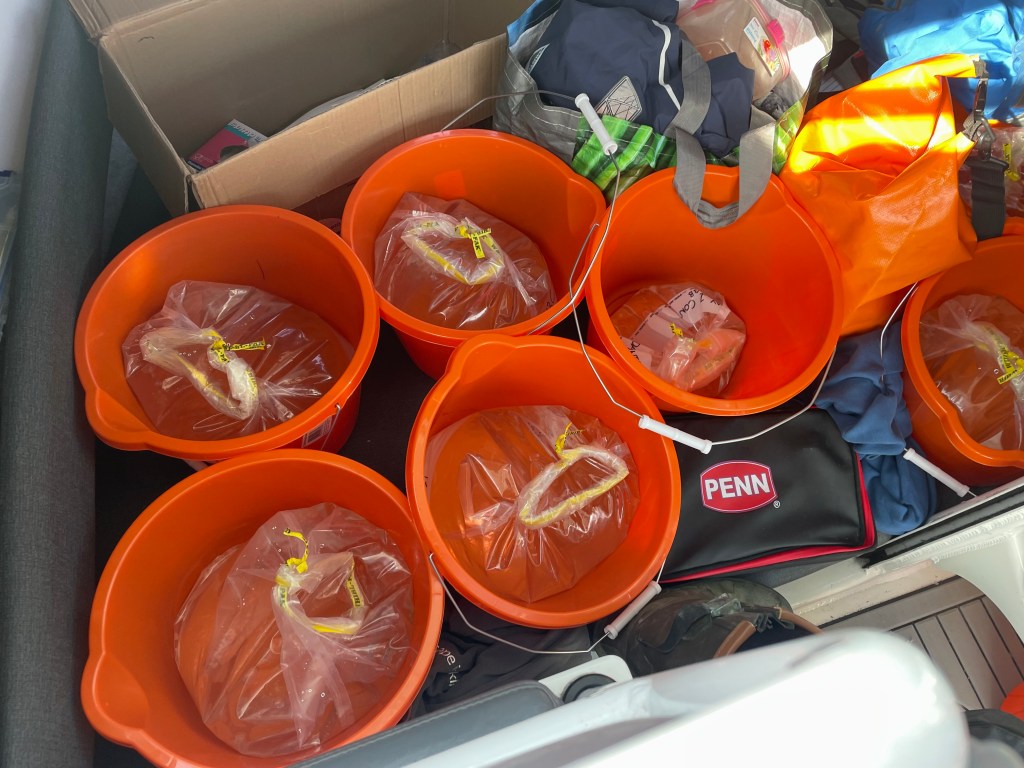
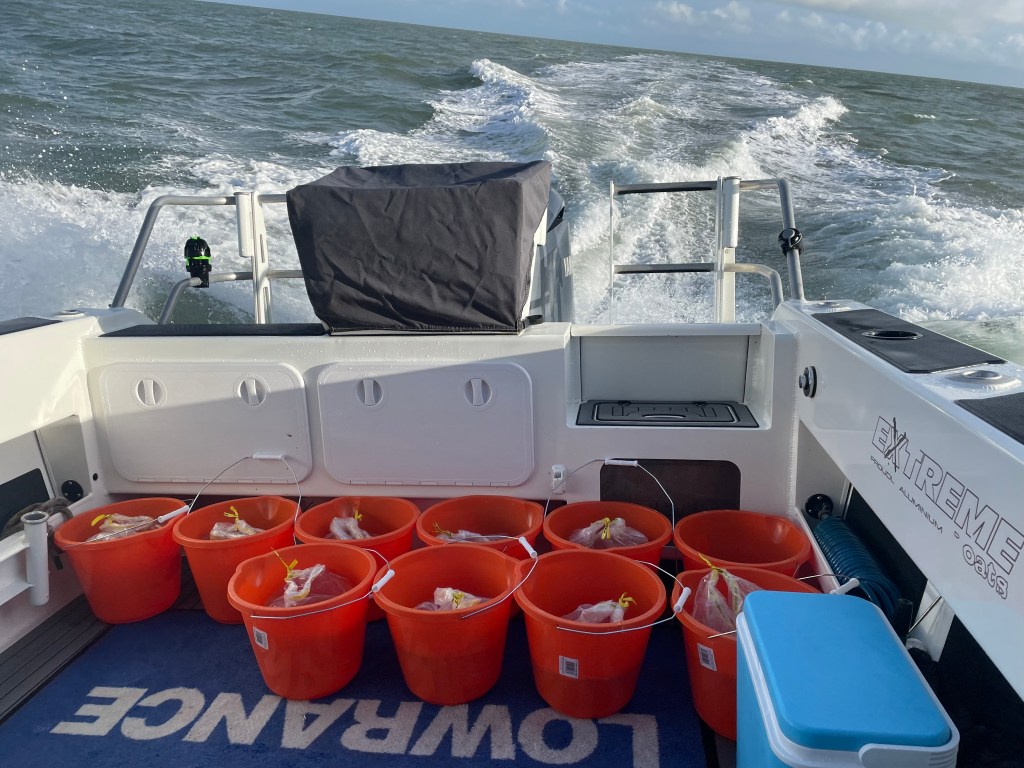
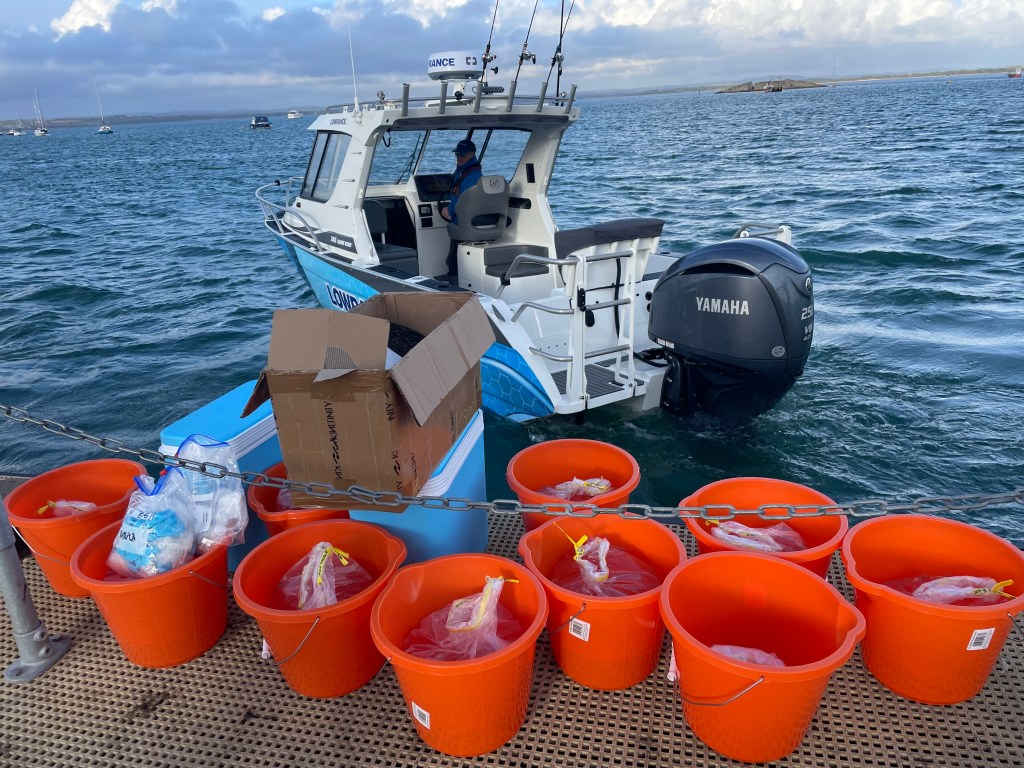
Photos of our 10 daily water samples in the sterile orange buckets aboard the Extreme
In the lab each sample was processed by pumping the water through a peristaltic pump and then through a special filter where the eDNA was concentrated and preserved, ready to send off to NatureMetrics for analysis.
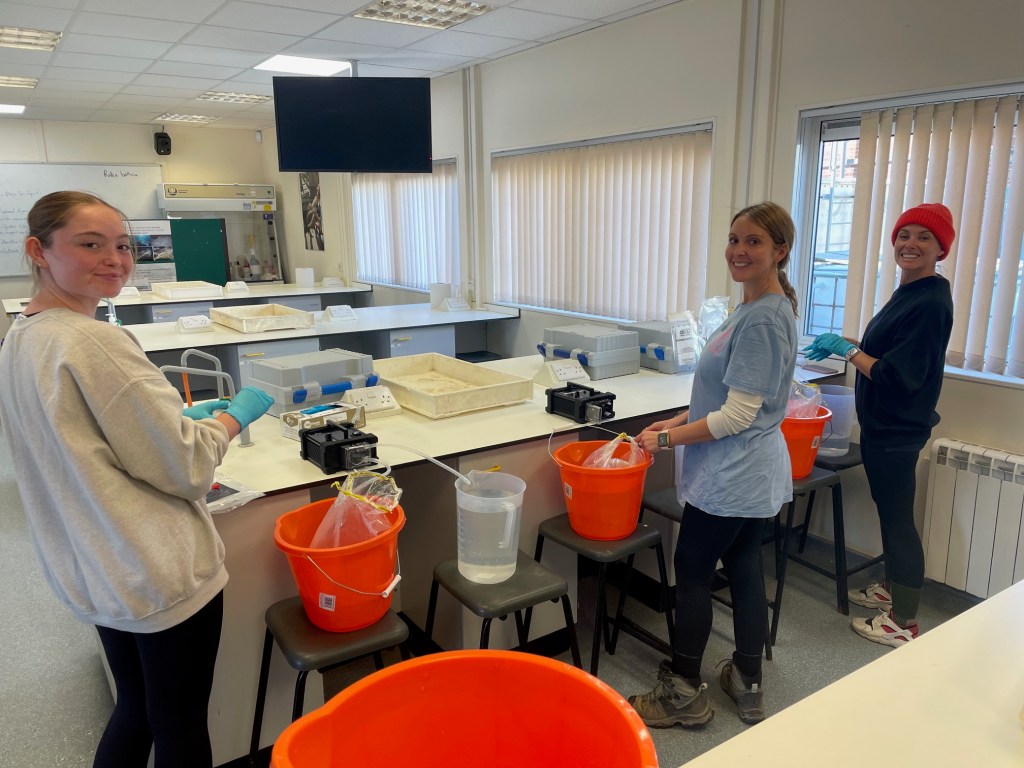
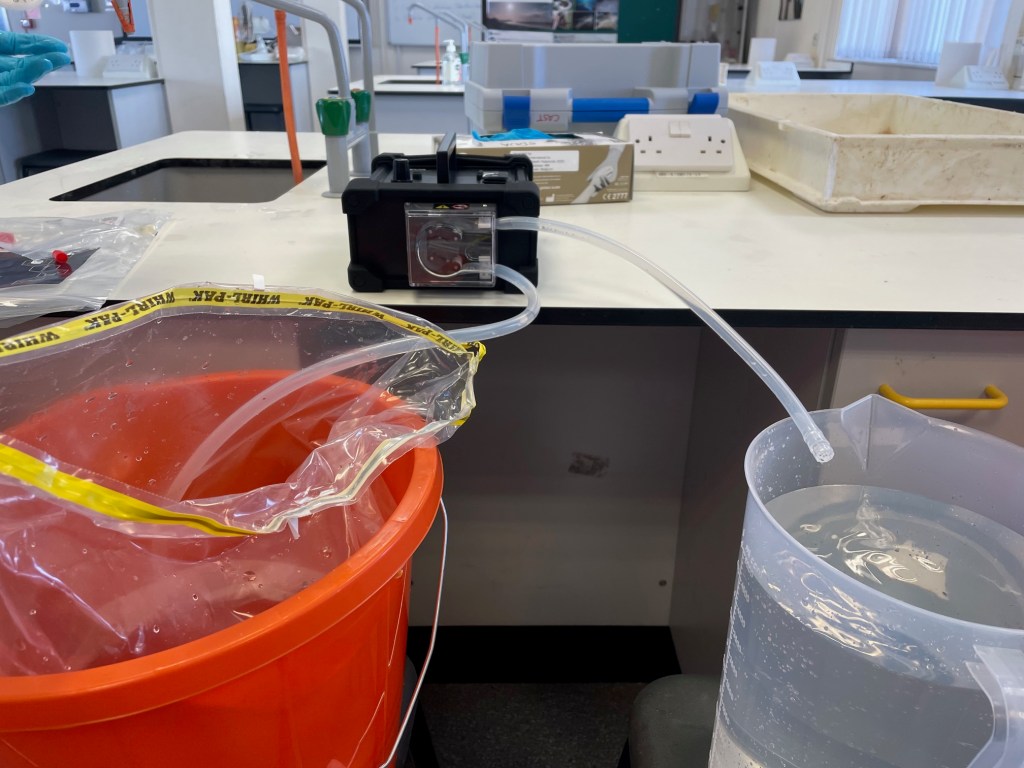
Research Assistants Tia, Aimee and Kristy working hard in the lab, pumping the water samples through the filters to capture the eDNA before being sent off for analysis
Now we wait…
Now we wait for our results to come in. What will we find? Will we detect any species at all? Will there be any surprises..?!
Keep an eye out on our Facebook and Instagram and of course subscribe to our website to be the first to find out when we get the results back.
 CAST
CAST 
Leave a comment