Using the power of recreational anglers in Citizen Science to inform fisheries management and sustainable fishing
CAST Project
The aim of the CAST project is to use data collected from local sea angling competitions to provide a novel insight into the distribution, life stages and habitat preferences of data poor fisheries in the Solent.
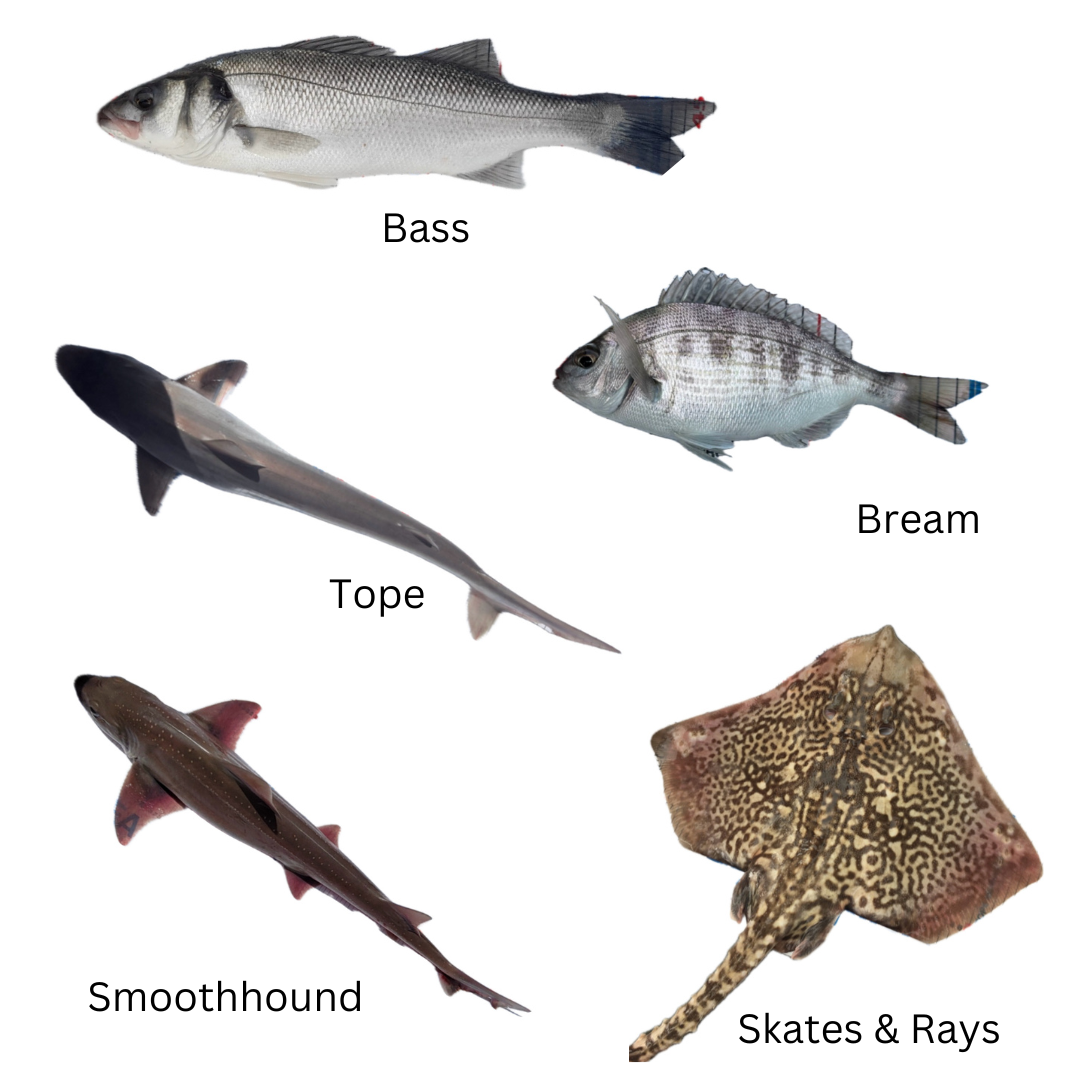
The information collected will improve our understanding of five popular targets for recreational anglers:
Bass (Dicentrarchus labrax)
Bream (Spondyliosomacantharas)
Skates & Rays (Raja spp.)
Smoothhound (Mustelus spp.)
Tope (Galeorhinusgaleus)
The project will also develop a new AI software to assist with the identification of species based on their morphometrics, size, colouration and other factors with far-reaching applications outside of this project.
Our goals are to:
Provide novel, relevant data for data-poor species to improve their fisheries management
Develop a standardised, cost-effective and self-sustaining data collection method that can be delivered at any UK sea angling event…and beyond…
Partnership
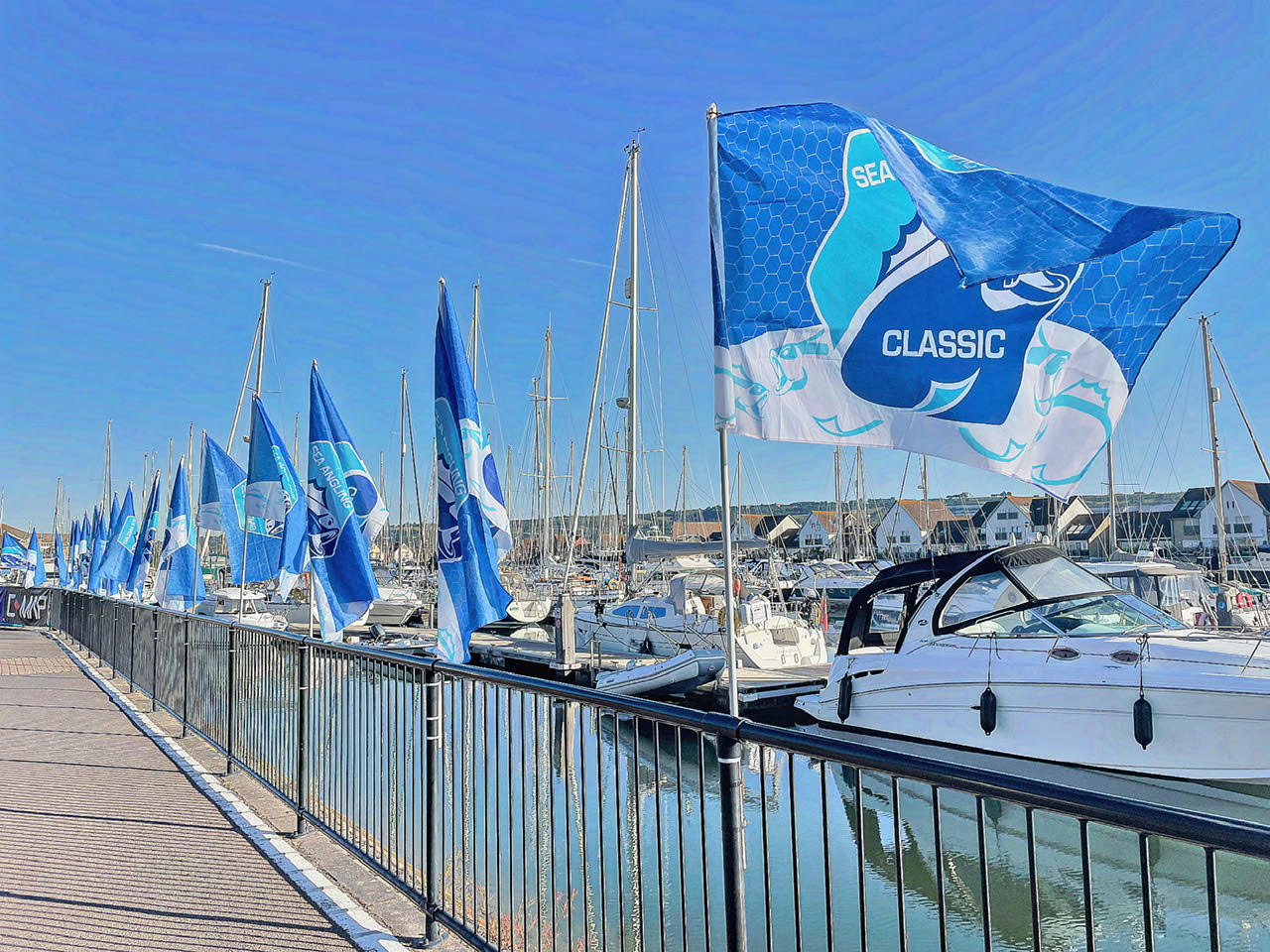
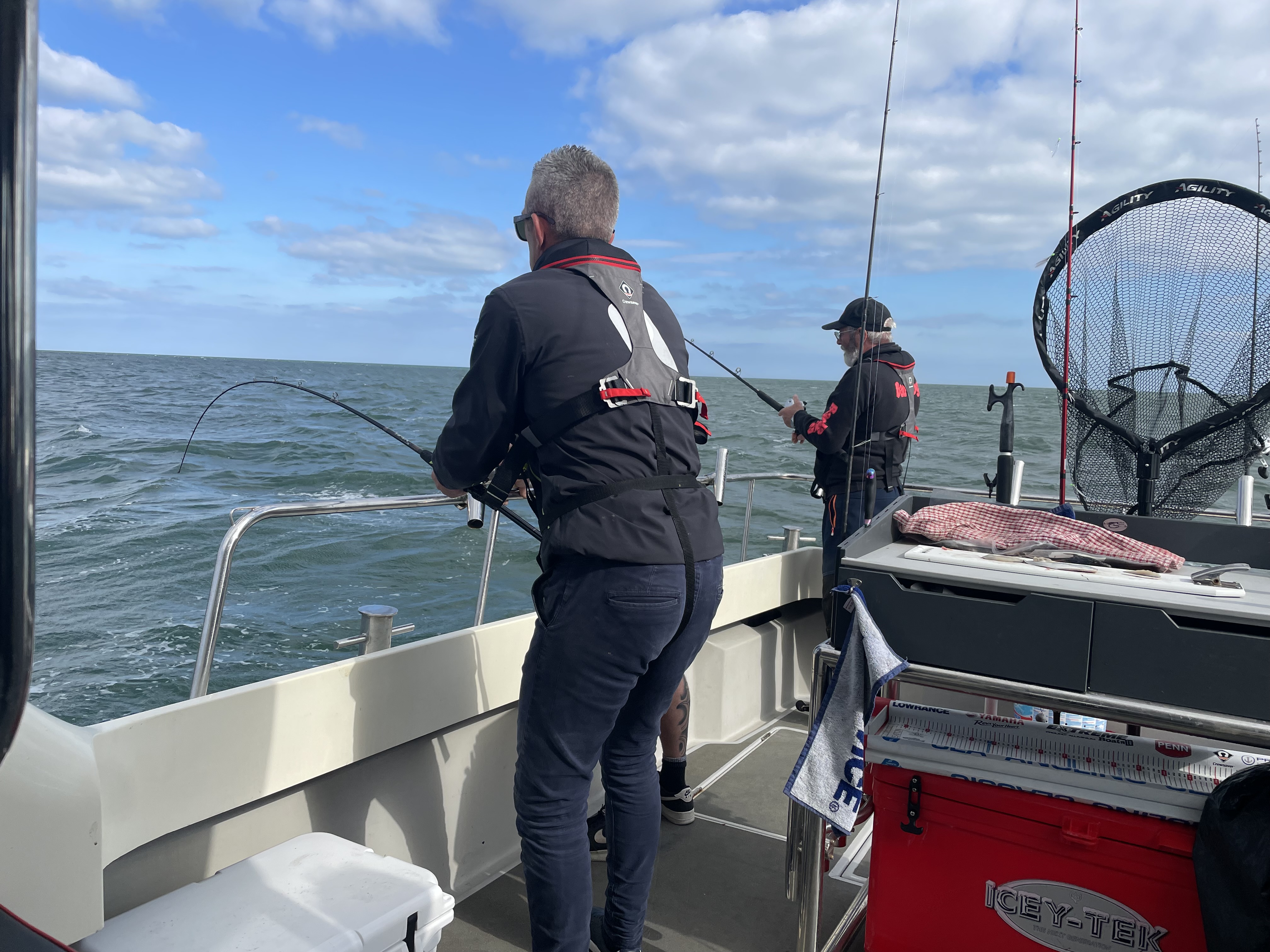
We have partnered with the annual sea angling competition, the Sea Angling Classic (organised by Angling Spirit) to gather invaluable information about the data-poor target fish species (bass, bream, skates & rays, smoothhound and tope) caught during the competition and developing replicable methodologies.
The Southern Inshore Fisheries and Conservation Authority leads, champions and manages a sustainable marine environment and inshore fisheries by securing the right balance between social, environmental and economic benefits to ensure healthy seas, sustainable fisheries and a viable industry.
The University of Portsmouth is the lead research partner on the CAST project. The team is made up of a collaboration between marine ecology researchers at the Institute of Marine Sciences and scientists from the Institute of Cosmology and Gravitation who are developing the crucial AI technology to automate species ID and measurement.





 CAST
CAST 