

Introduction
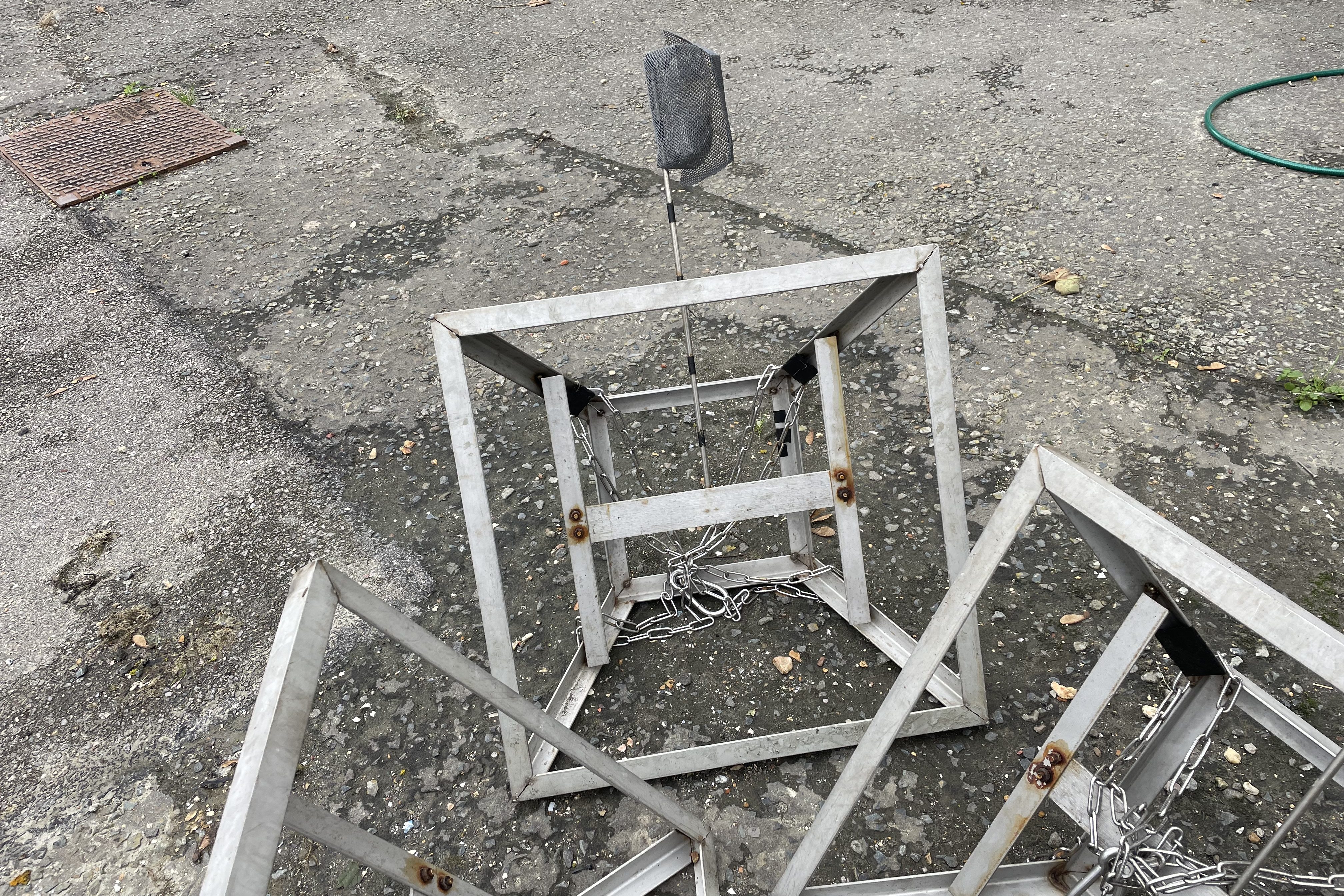
As autumn settled in, the CAST team at the University of Portsmouth embarked on the start of five days of fieldwork. Out into the Solent, our mission was to begin our deployment of BRUVs (Baited Remote Underwater Videos). These are GoPros mounted to metal frames, with a bait bag attached to a metal rod. BRUVs are a non-intrusive way for us to document the underwater ecosystem. With a bait bag filled with chopped mackerel attached, we hope to entice the Solent’s species towards the camera.
Using data from the Sea Angling Classic competition, we identified five high, five medium and five low catch areas of our target species: bass, bream, skates/rays, smoothhound and tope. Within these areas, two randomly selected sites were chosen to deploy the BRUVs, giving us a total of thirty sample sites. From these thirty, we chose six to sample on each field work day, over the course of 5 days. Using the BRUVs, we hope to identify potential prey, competitors or predators which might influence the distribution of our target species. These sites have also been used for eDNA, water and sediment sampling which will be covered in later blogs!

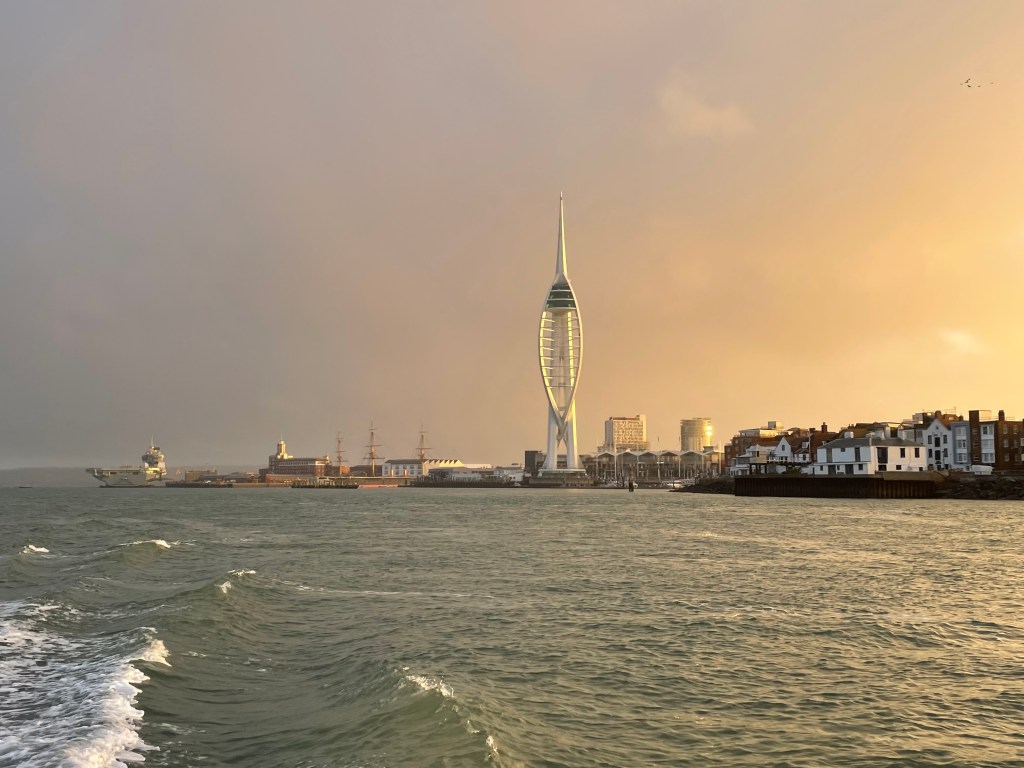

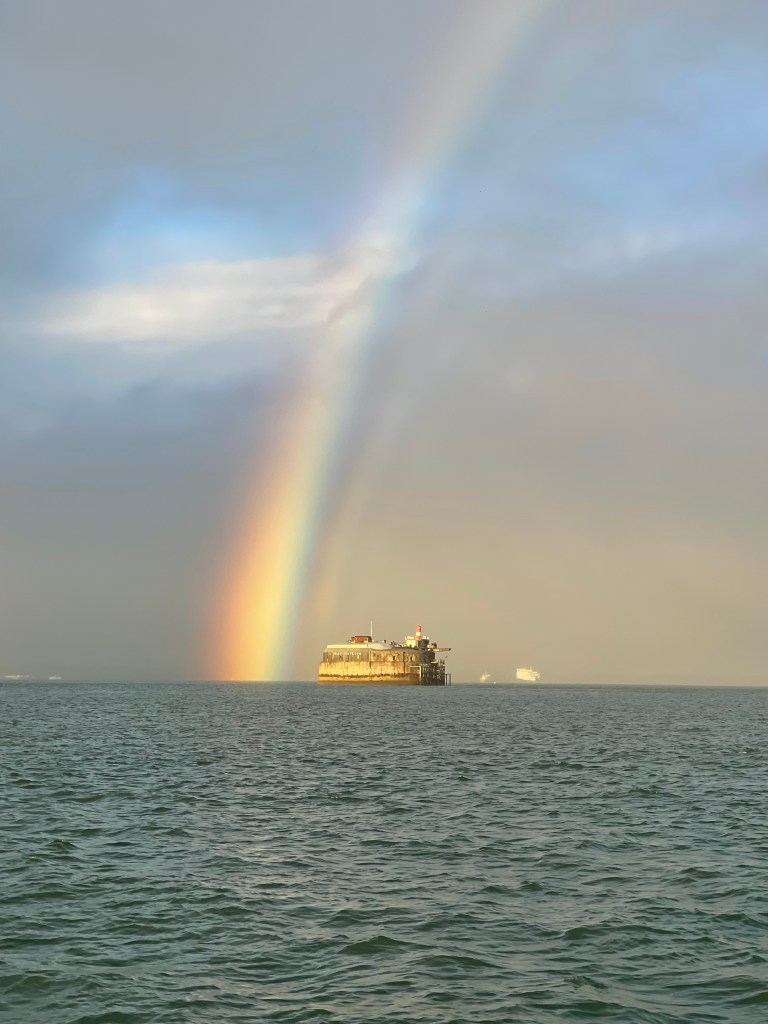
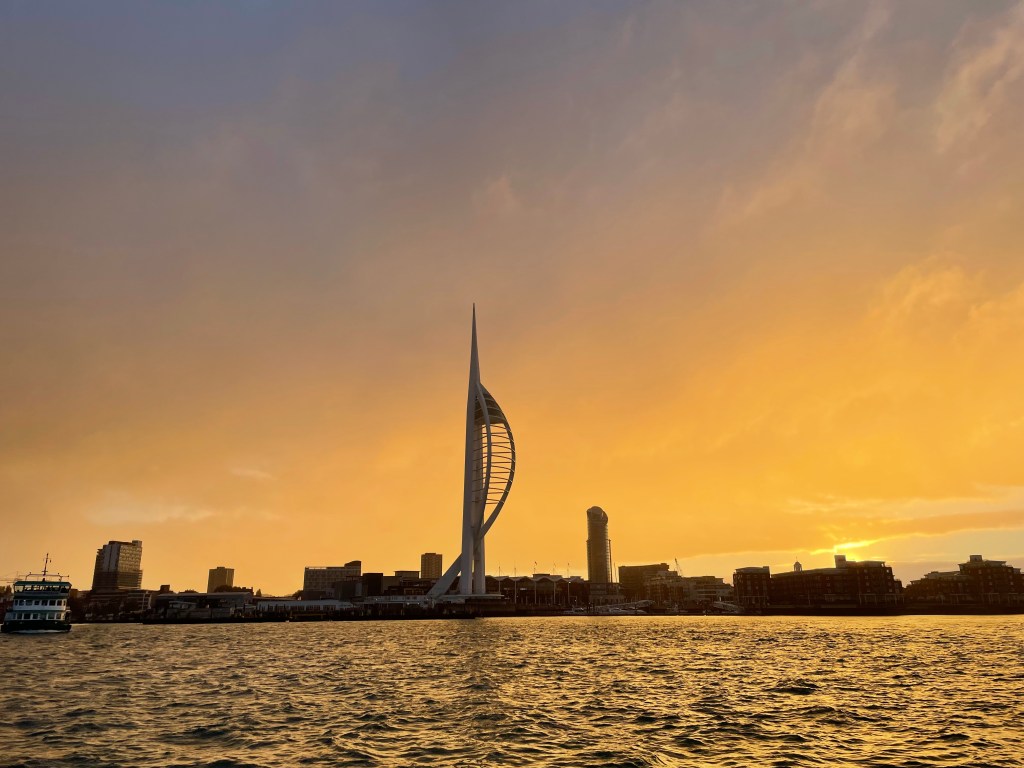
With the sun rising over Portsmouth Harbour, each morning we were greeted by breath-taking views of the Spinnaker Tower and a colourful sky, making those early mornings worthwhile.
Testing our Methodologies
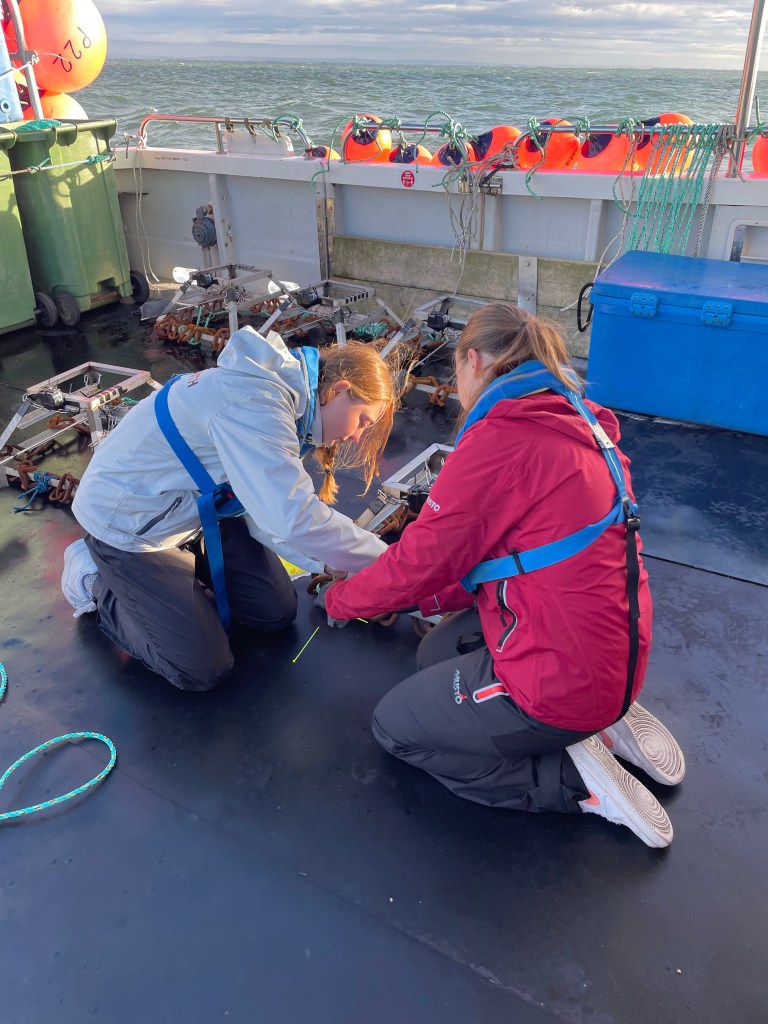
Day one of fieldwork had arrived, and on board the fishing boat, we were surrounded by the six metal frames of the BRUVs, securely bound in chains for extra weight, ensuring they stayed in place on the seafloor.
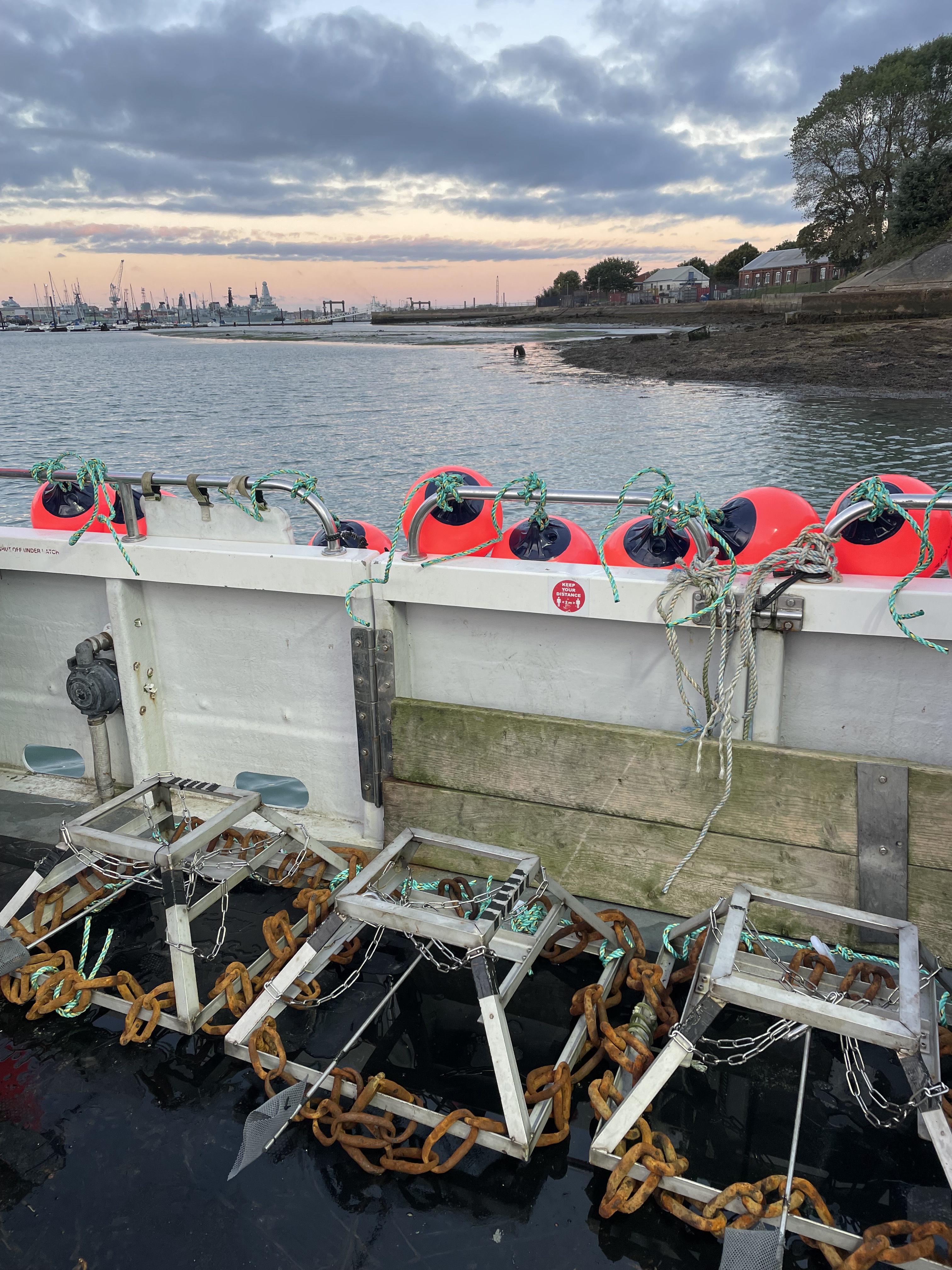
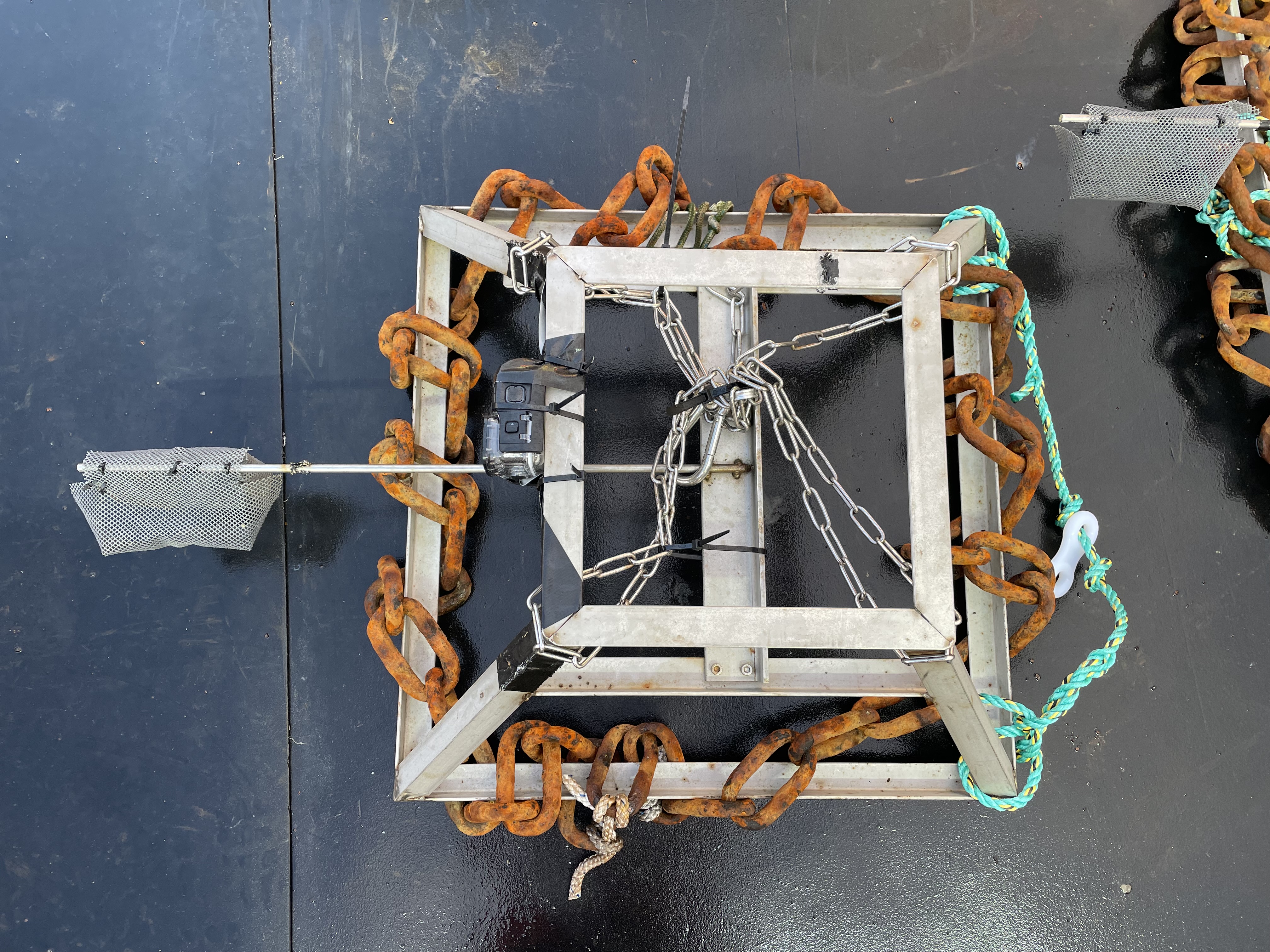
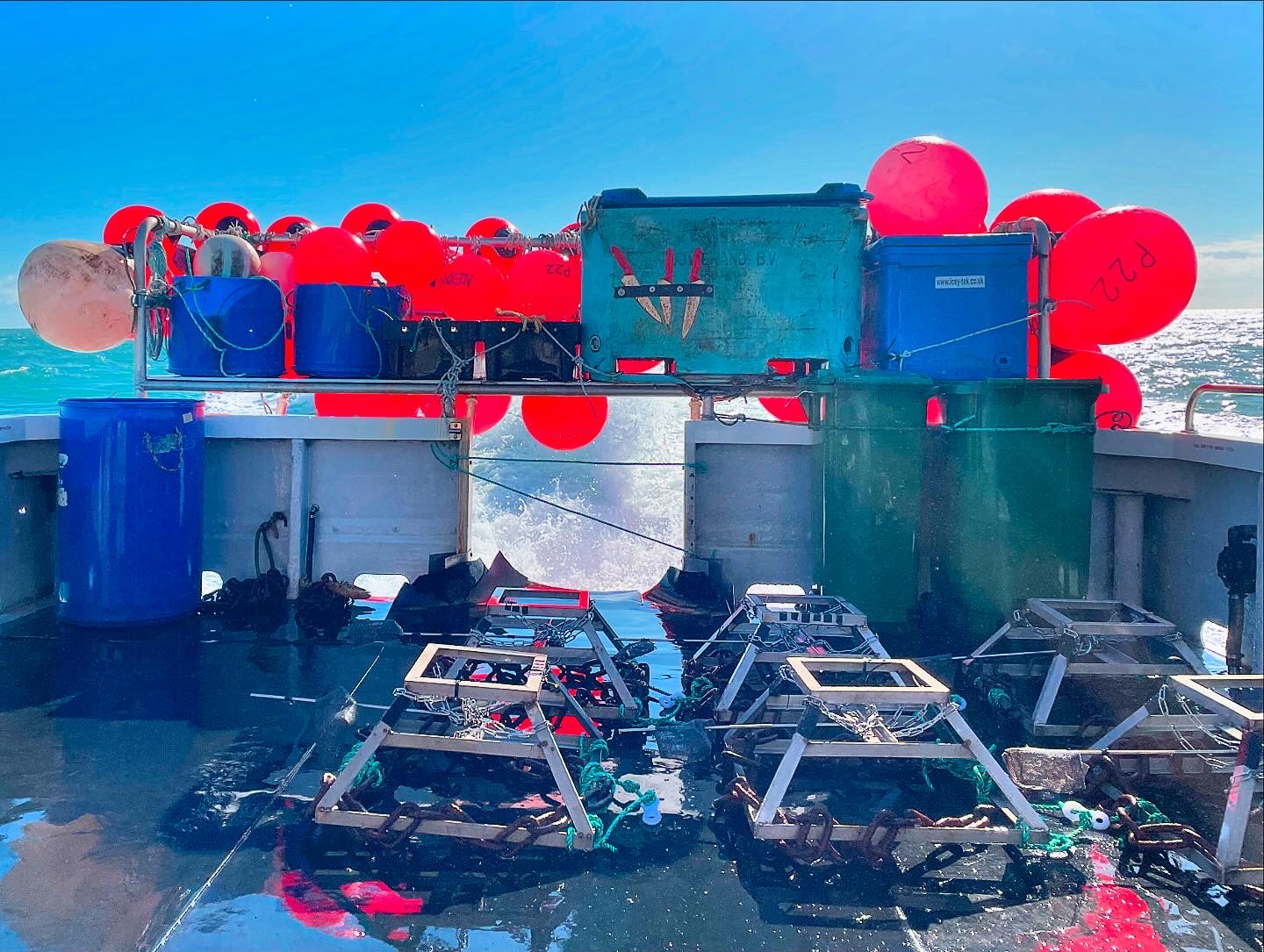
Our first task was to attach the GoPros to each frame, carefully positioned to capture any interactions of fish with the bait bag, as well as any other organisms in the area.
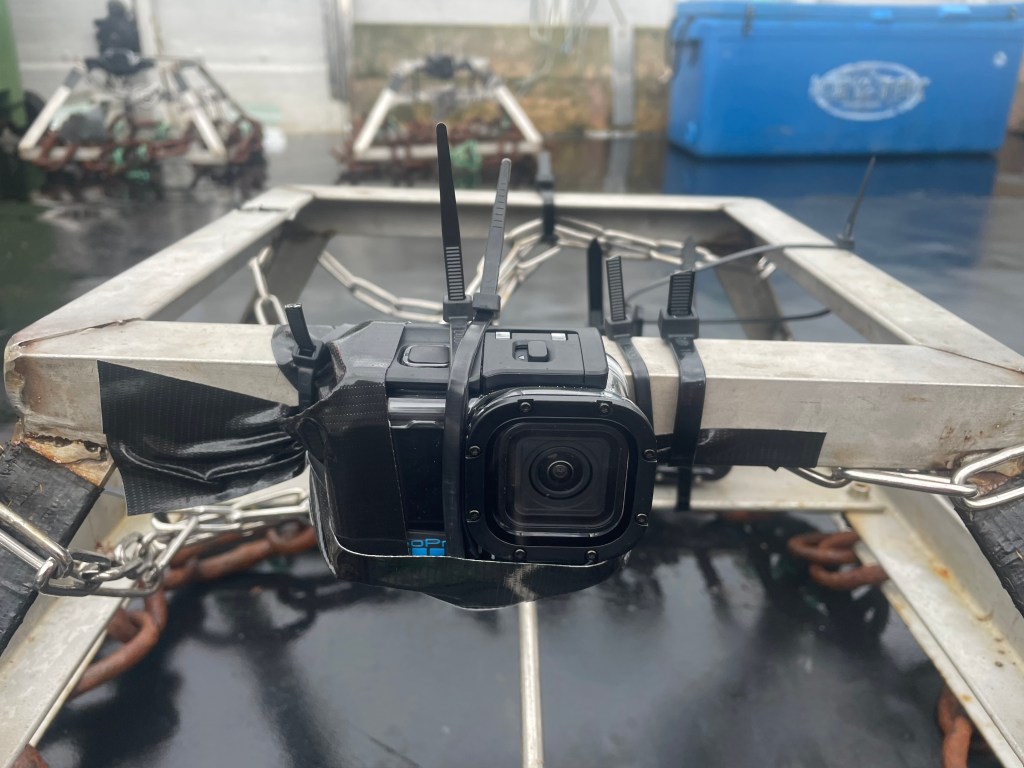
The GoPros were cable-tied to the tops of the metal BRUV frames and aimed at the bait bag to capture any interactions with marine life during deployment
The first day saw our BRUVs deployed and successfully retrieved after an hour of underwater recording. The GoPros were then eagerly taken to the labs for analysis. Sadly, fieldwork does not always go to plan and to our dismay, the depths were too great for light penetration, resulting in a black screen instead of the vibrant footage we hoped for.

Analysis of the GoPro videos from our initial BRUV deployments only showed a black screen! There was clearly not enough light penetration at the depths we were analysing…
We headed out again for day two, our shallowest sites in the Solent, and hoped that the BRUVs would return some usable footage. Unfortunately for us this was not the case as we were greeted by the same black screen and so back to the drawing board we went, brainstorming ways to make improvements to our design.
Improvements to our Methodologies
Once we realised a light source was necessary, we set out for a day of experimentation on the boat testing a variety of new methods including dive torches and LED dive lights, light intensity and angles.
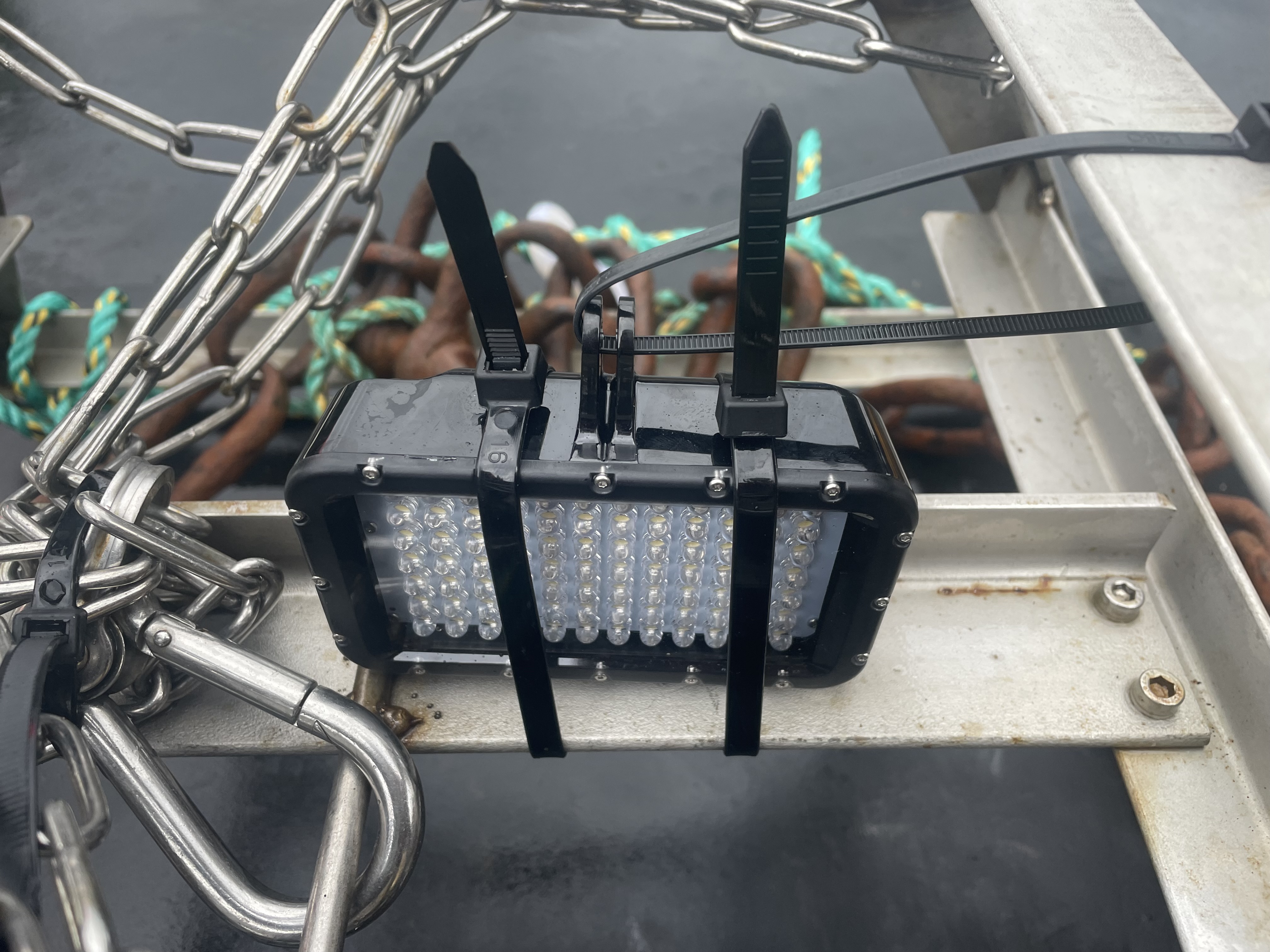
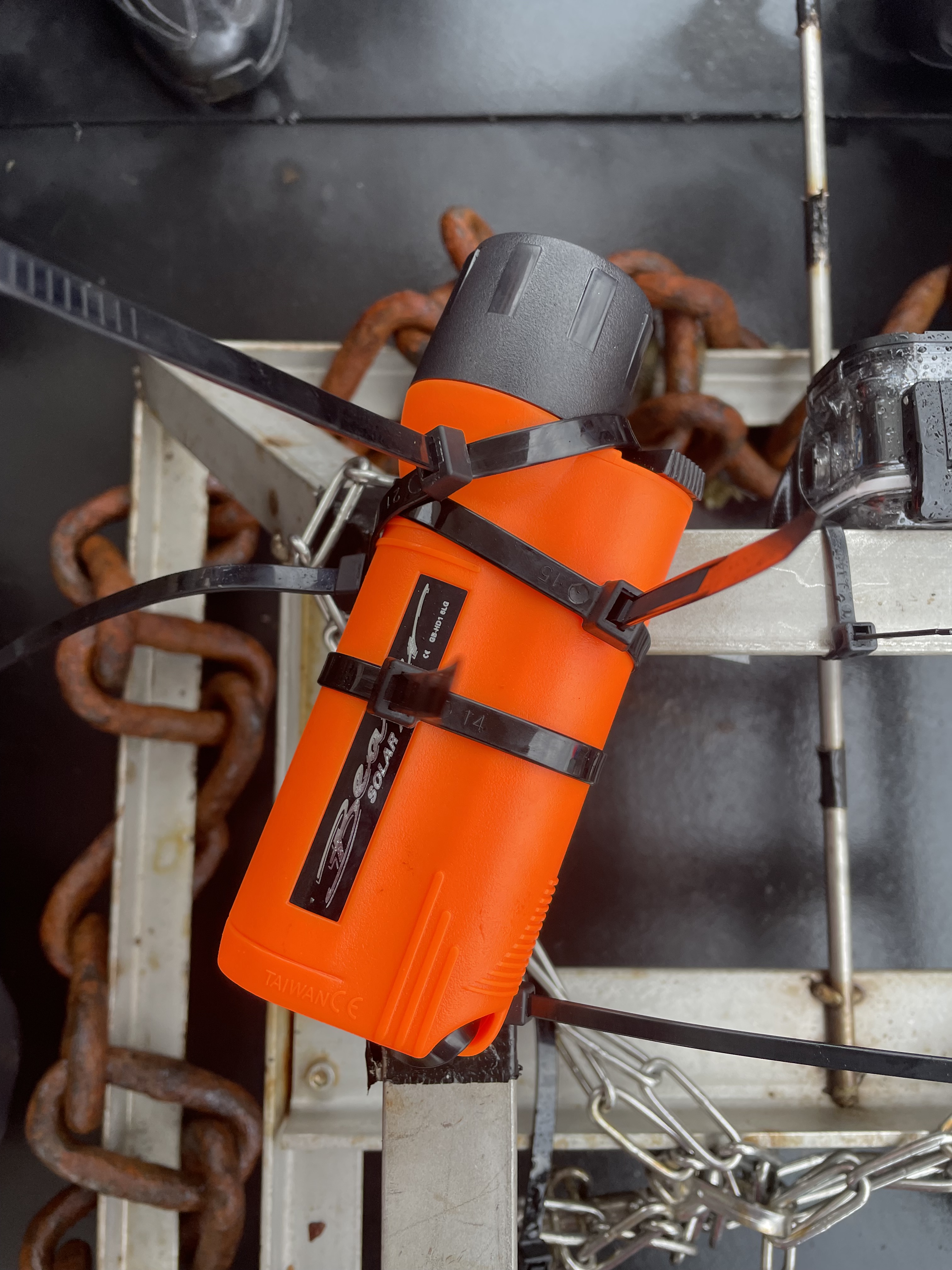
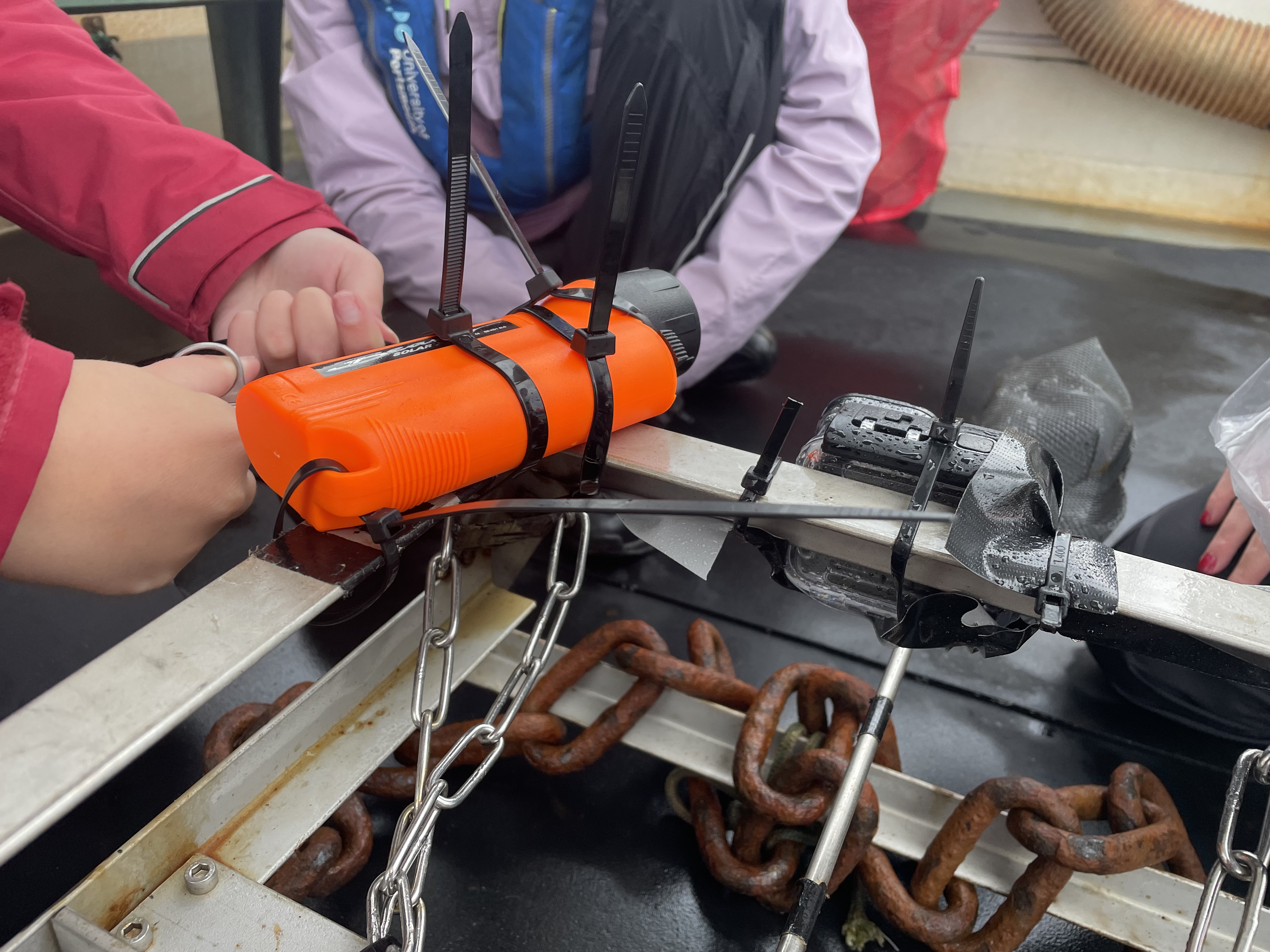
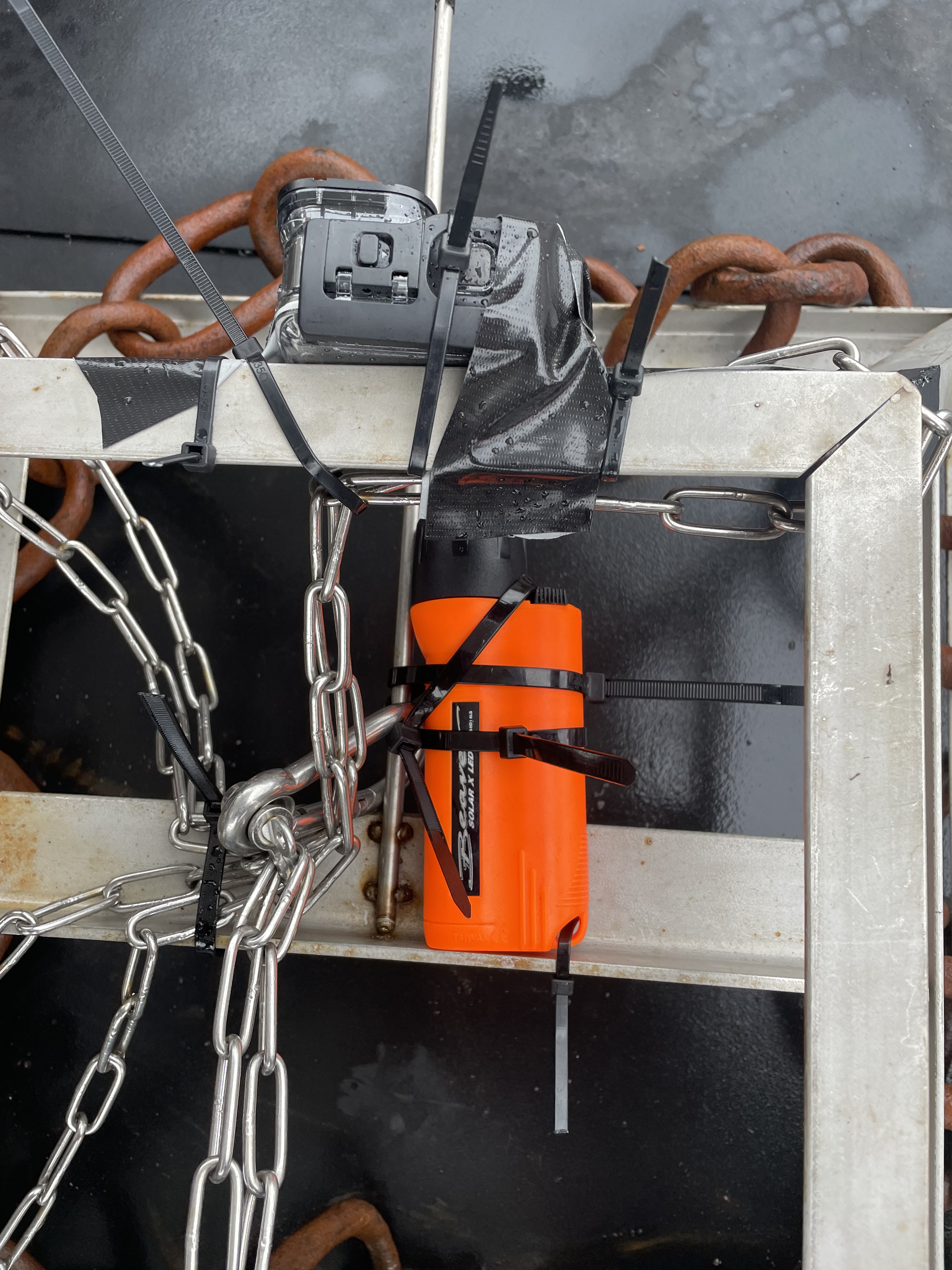
We checked through our footage and we had found our answer! The LED dive lights on the lowest setting left us with an even illumination compared to the torches which left streaks, and the highest intensities which created high levels of light bounce-back reflecting off the suspended sediment and debris in the water.
Fieldwork begins
After three days of experimentation we were ready to start our 5 days of data collection in earnest. Spirits were high as we headed back out onto the Solent, armed with our newly designed BRUVs. With some anticipation in the air, we attached the GoPros, LED dive lights and bait to each of the frames as we motored over to our first site for the day, ready to make a fresh start. As we arrived at our first site, we switched on the cameras and lamps. Our fantastic crew, Dave and George, expertly attached the buoys and dropped the frames overboard.
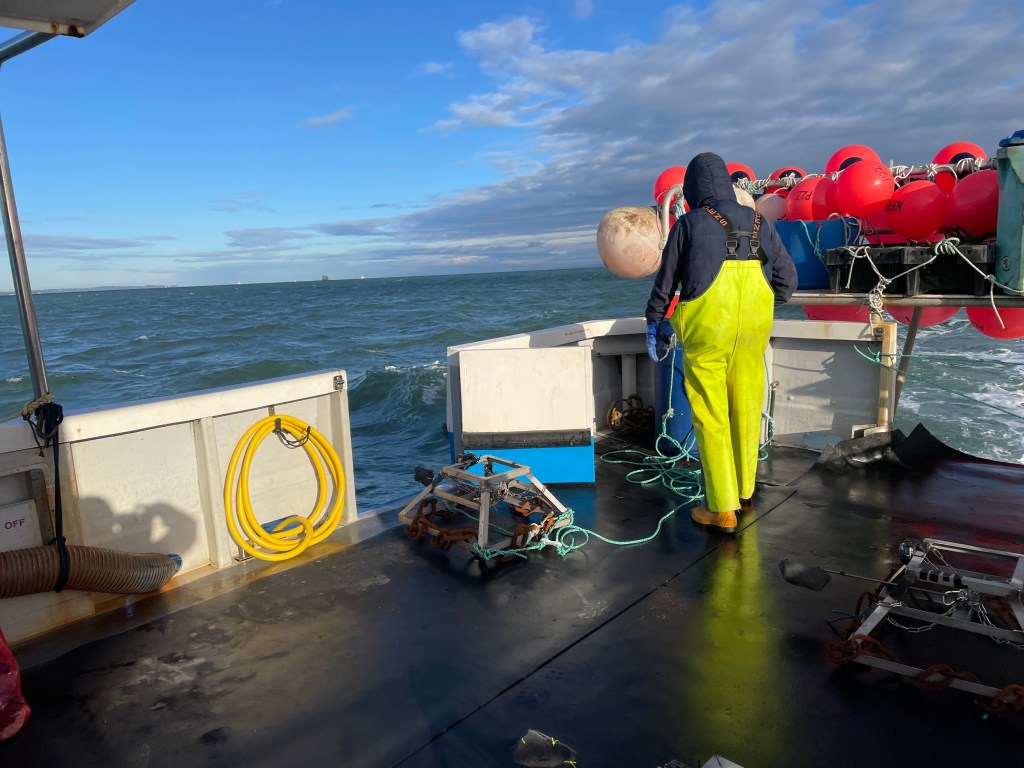
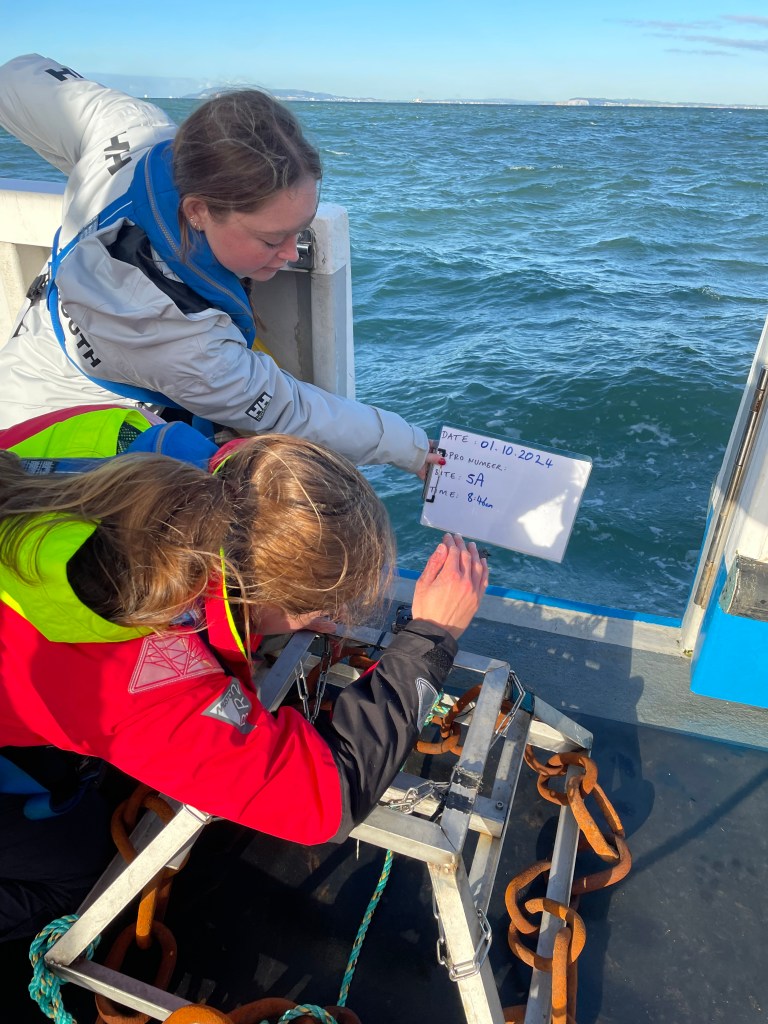
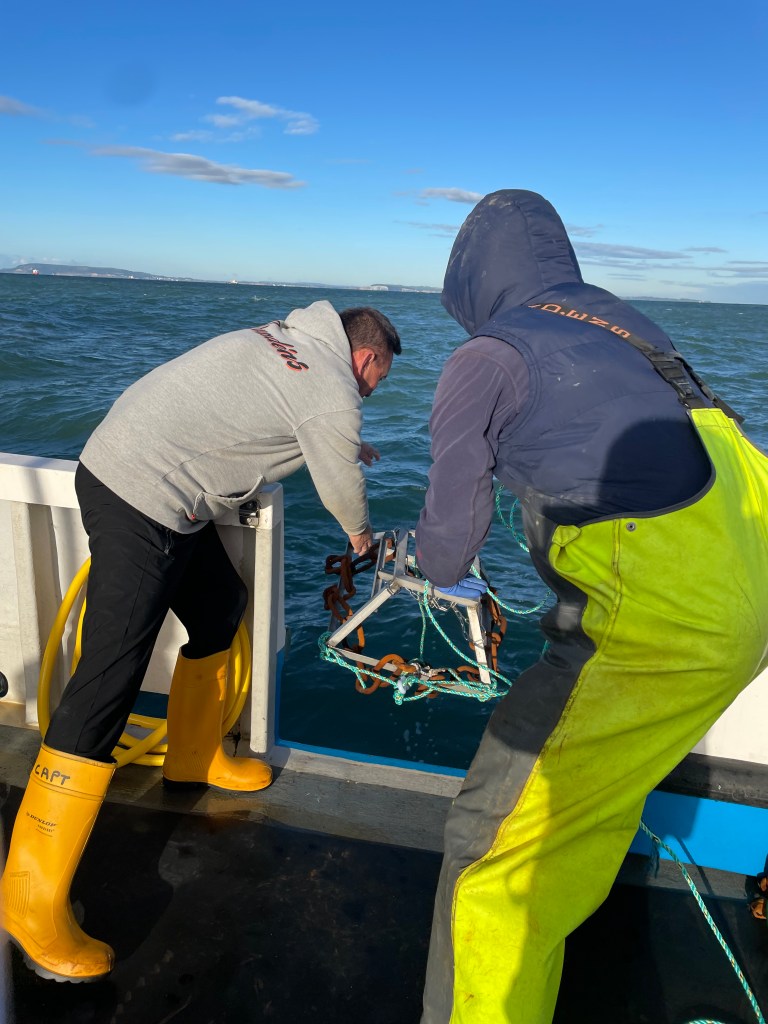
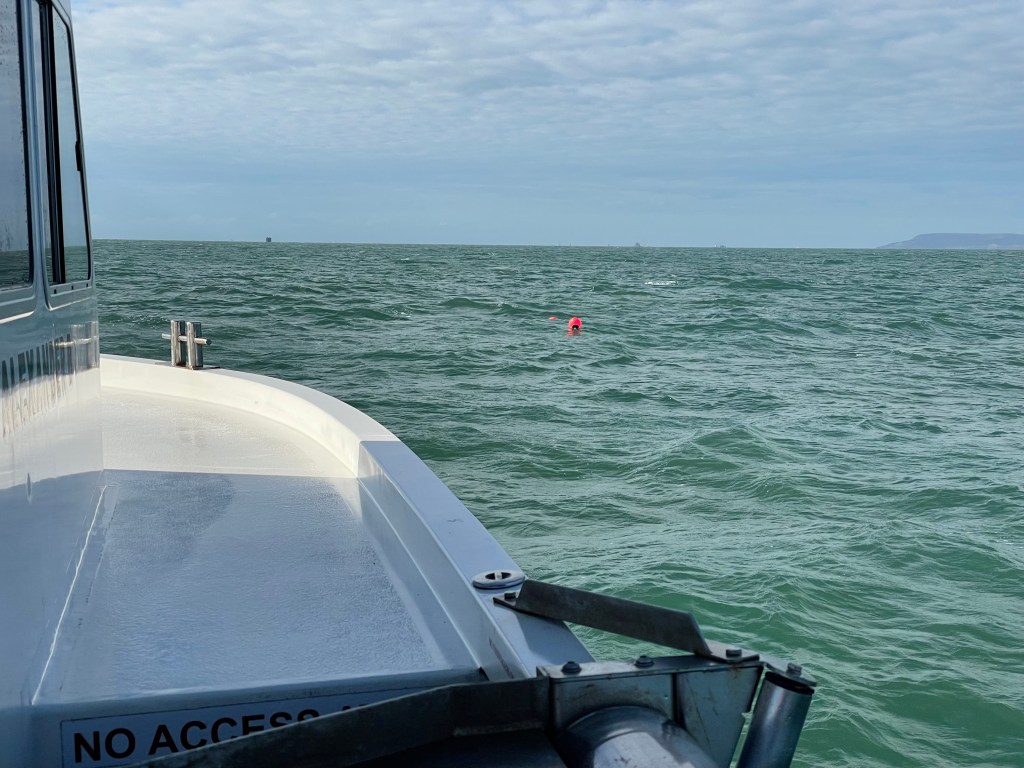
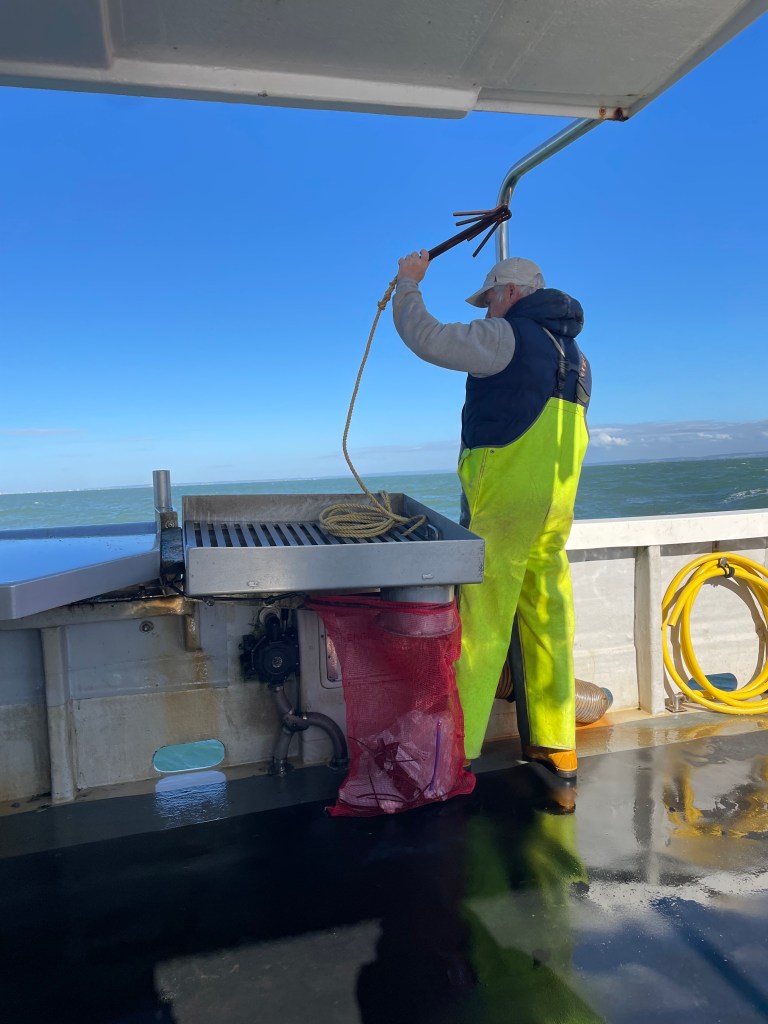
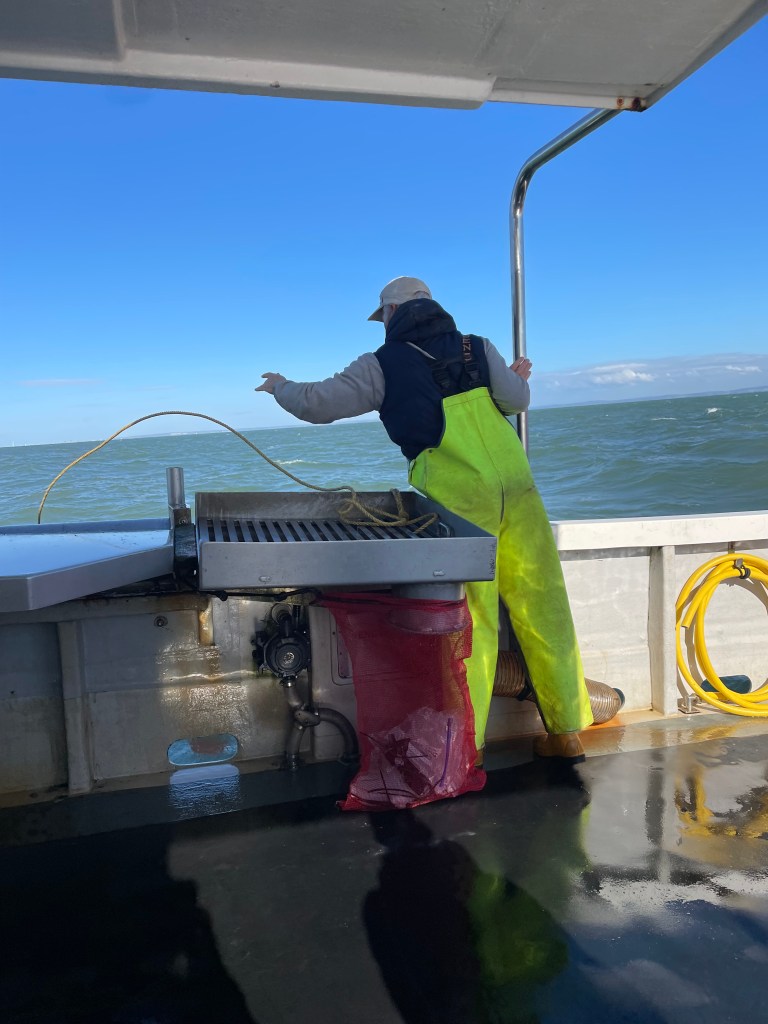
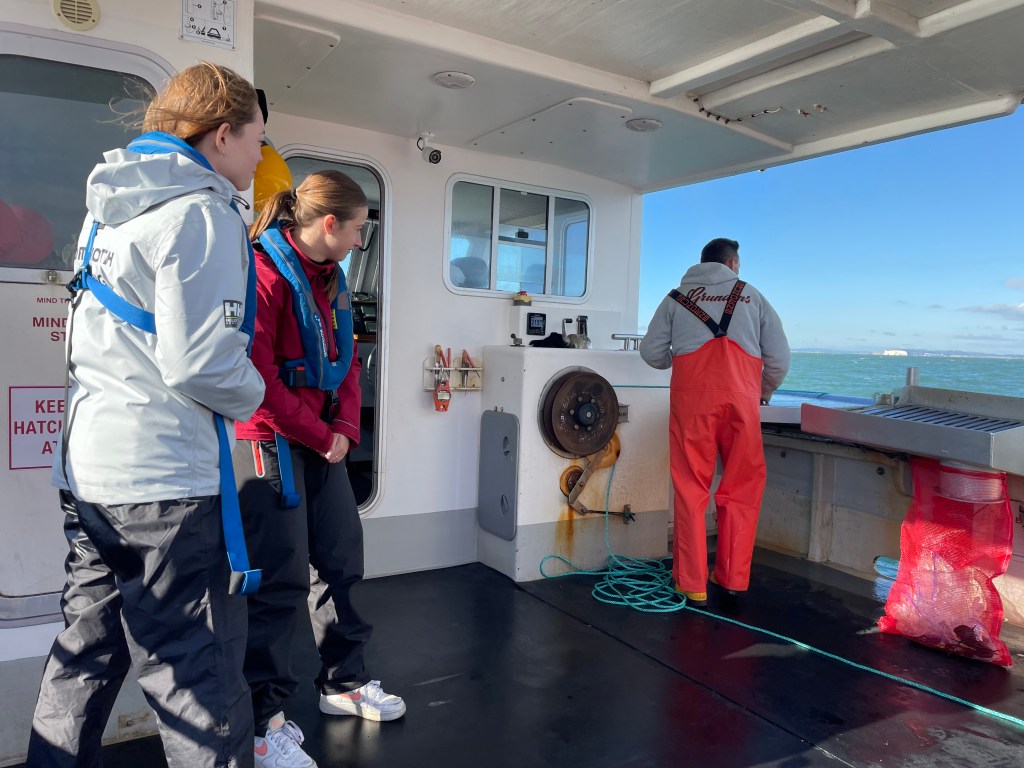
With six frames deployed, we waited for an hour before heading back to retrieve the BRUVs, starting with BRUV number 1. Our bright pink buoys bobbing on the surface were easily spotted, allowing us to winch the frames back on board. Eager to see what the Solent has shared with us, we excitedly took our cameras back to the lab for analysis.
Next steps…
As we begin the next stage of analysing the video footage, we will be identifying the species that we see and recording any behaviours that they are displaying. Keep an eye out for another blog post with the results of our analysis!
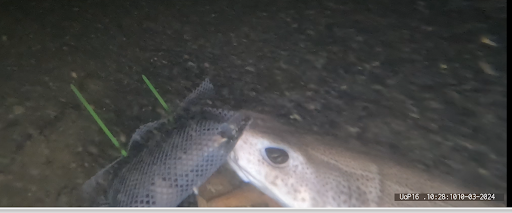
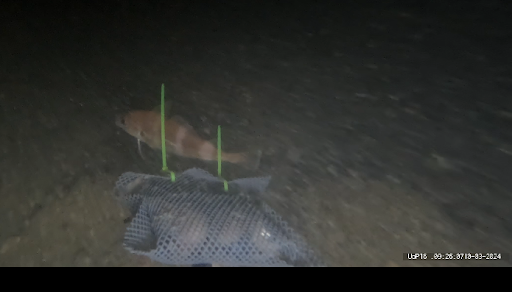
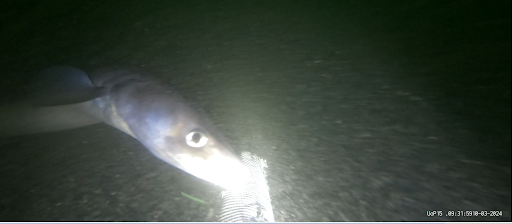
And check out the photos below for a sneak peek of some inquisitive individuals we’ve spotted on the videos…
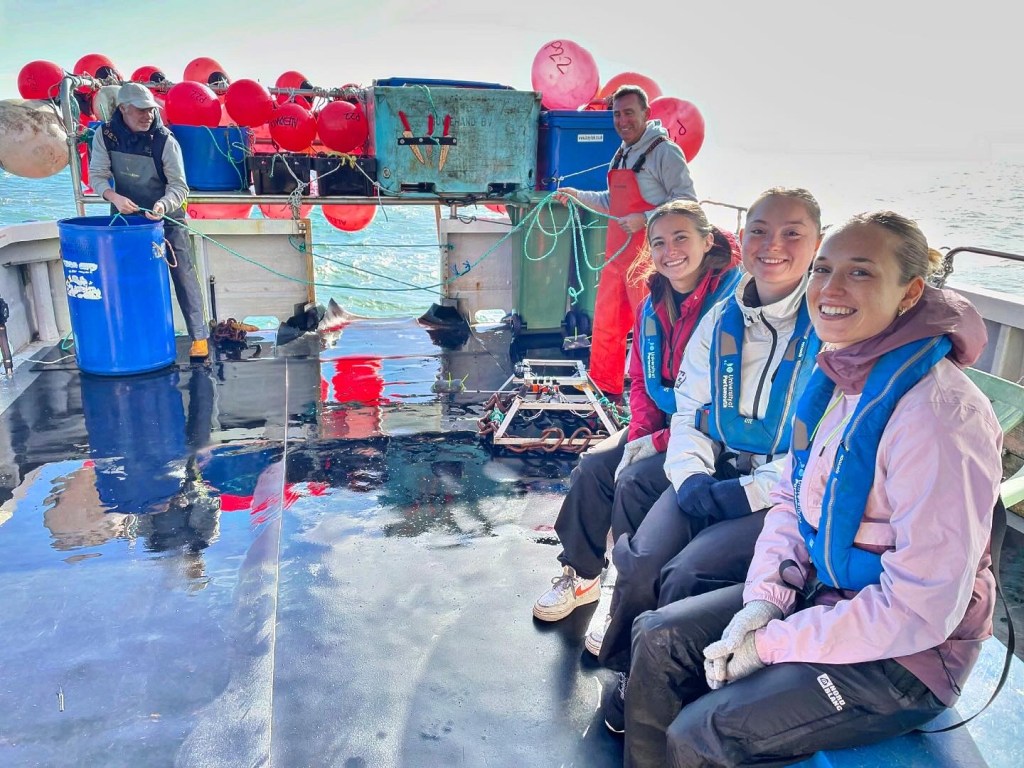
The BRUV team consisted of:
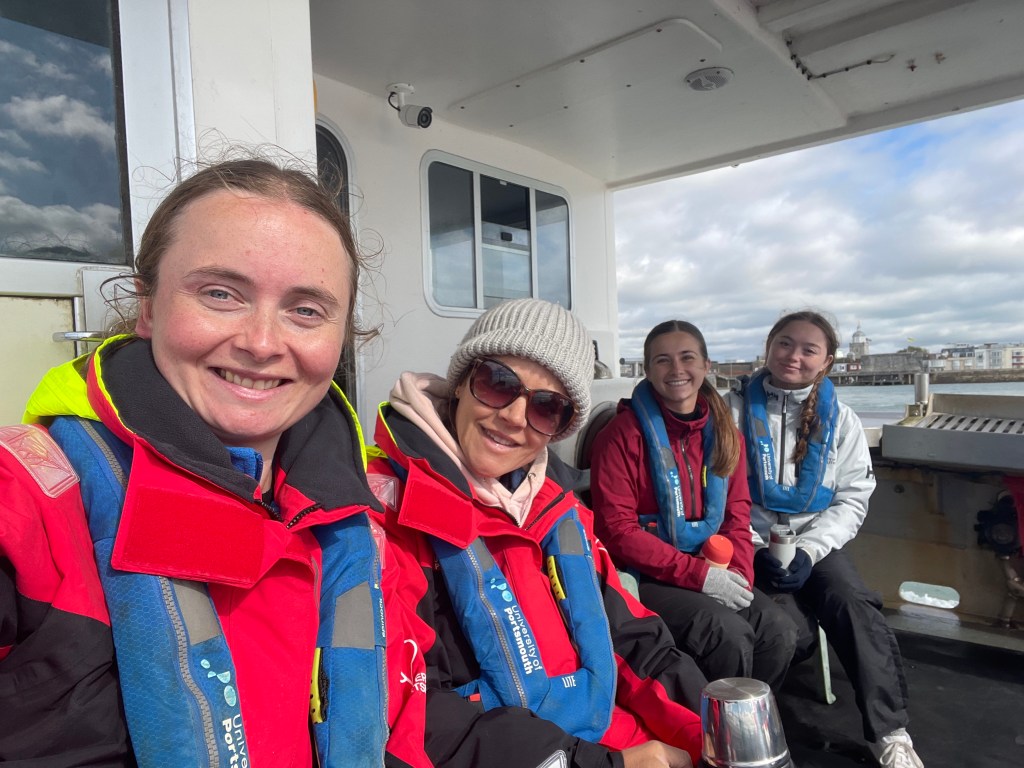
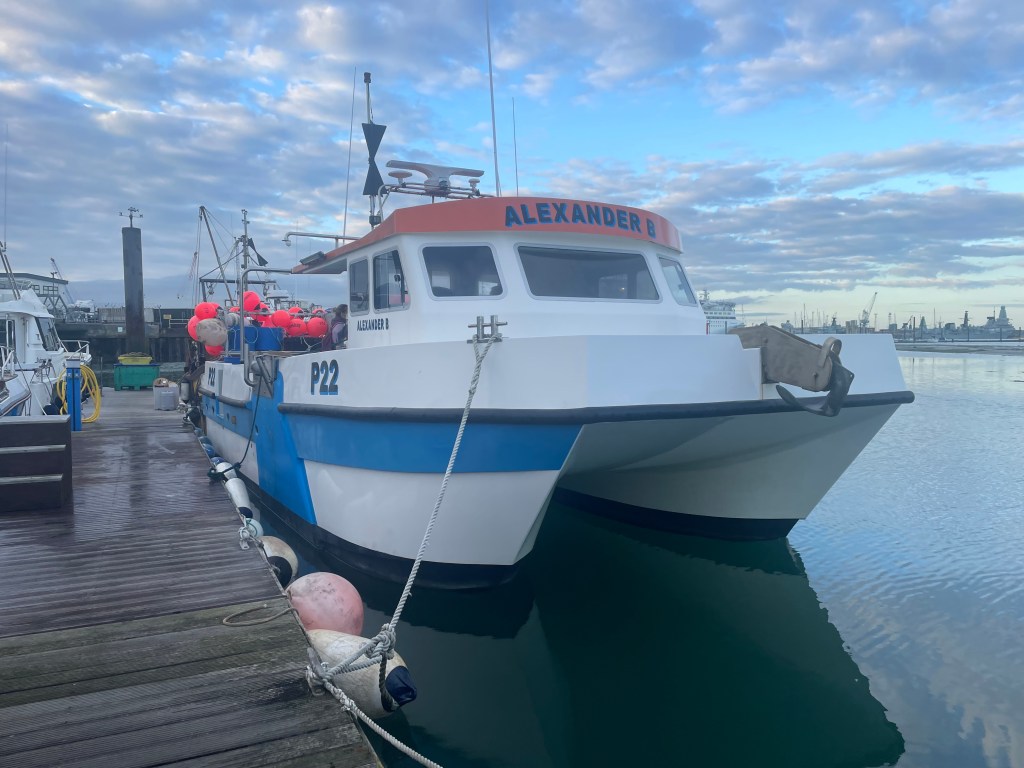
Dr Christina Hunt (Senior Research Associate) and Georgie Banfield (Research Associate), as well as Research Assistants Tia, Timea, Charlotte, James, Varuni and Ceci from the CAST team, and of course Dave (skipper) and George (first mate) from The Alexander B. Thanks to everyone involved!

Follow our work on our Instagram and Facebook pages too:
Photo credits: Georgie Banfield
 CAST
CAST 
Leave a comment