
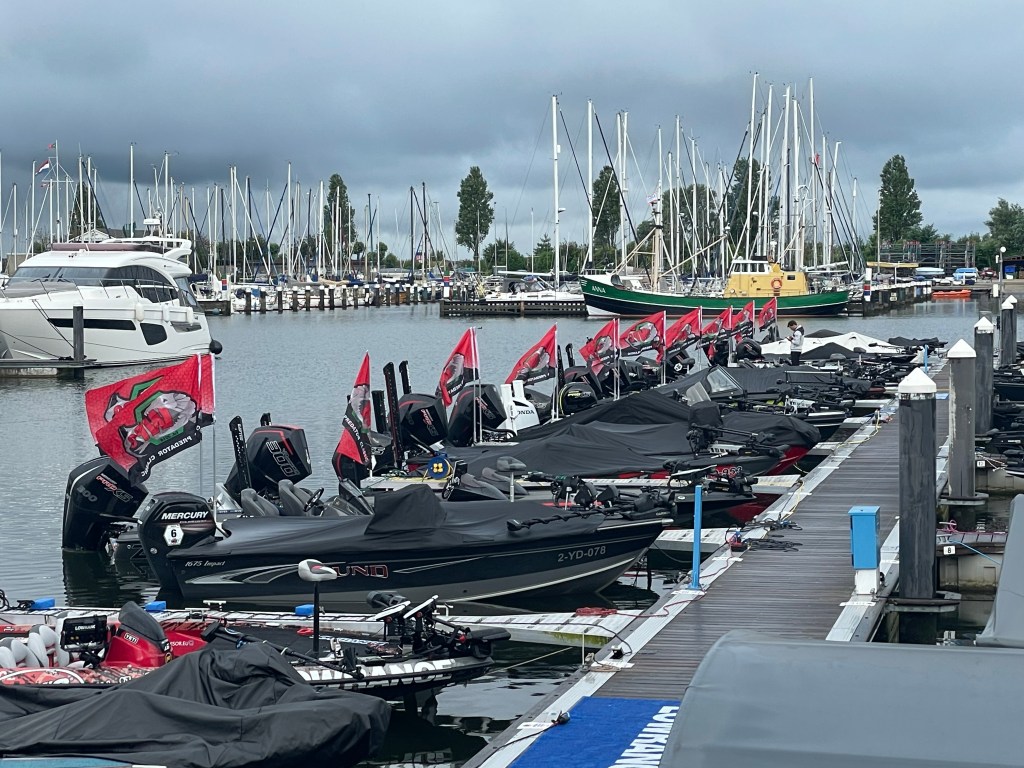
“Experience predator fishing at its finest! The World Predator Classic is a fast, furious, and action-packed 3-day event where top anglers from around Europe compete for the ultimate prize”
– World Predator Classic
In June 2024 Georgie from the CAST Team was invited to The Netherlands to observe the action at the World Predator Classic, another angling competition within the Angling Spirit family.
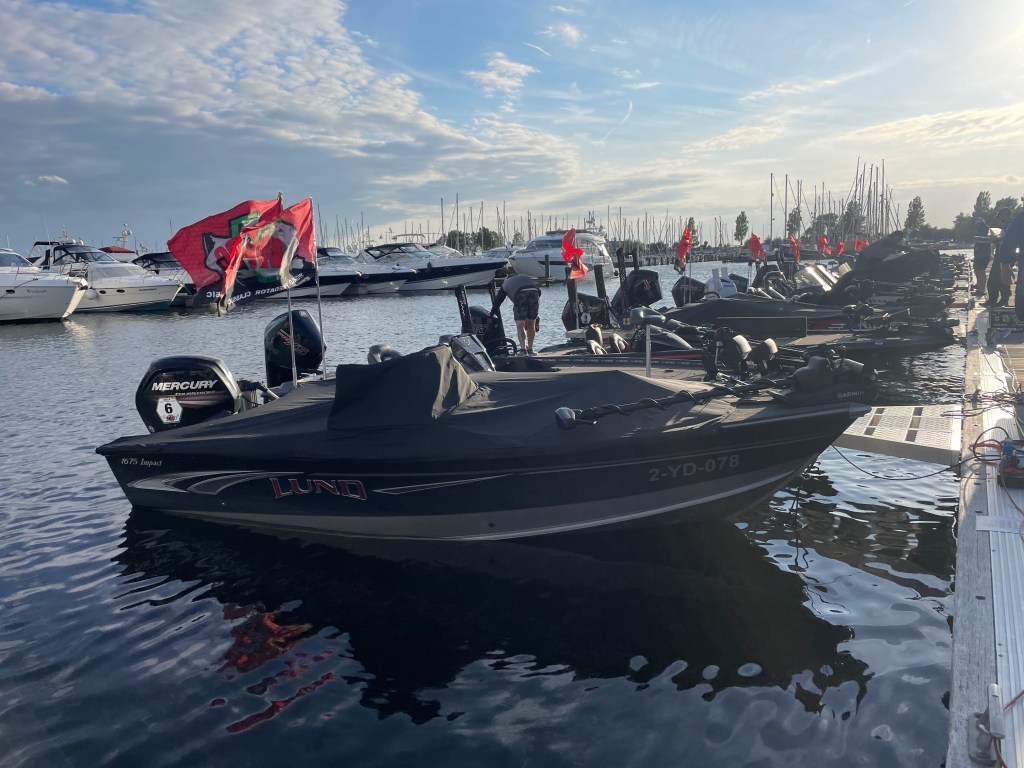
Rather than collecting data, the purpose of the trip was to understand whether the CAST Team can apply their data collection and analysis methodologies in other angling competitions.
“One of the goals of the CAST Project is to develop a standardised, cost-effective and self-sustaining data collection method that can be delivered at any UK sea angling event…and beyond” – CAST Project
Background:
The World Predator Classic is currently in it’s 10th year having been established by Ross Honey and the Angling Spirit team back in 2014. Ross has now stepped aside from the organisation of the WPC and Thorsten Trojan, along with his family, now run the show. Anglers from around the world compete in the three day event in designated areas of the Haringvliet, Hellvoetsluis, a few miles South West of Rotterdam in The Netherlands.
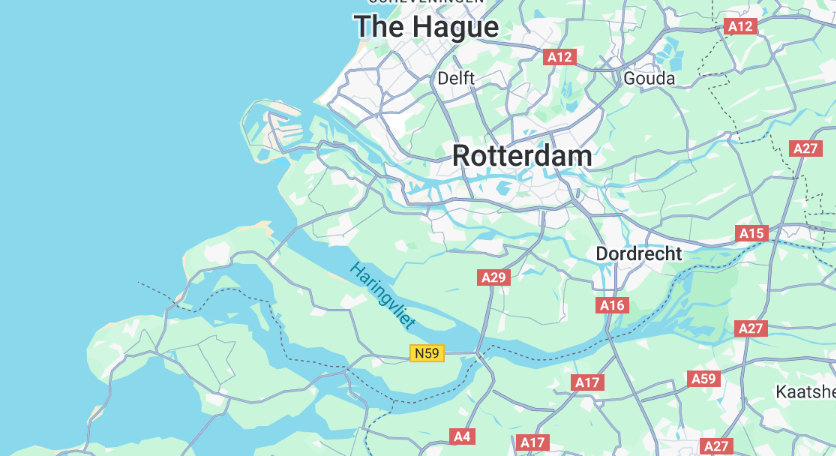
Map of the Haringvliet, near Rotterdam, The Netherlands
(Image source: Google Maps)
Unlike the Sea Angling Classic (SAC) which is the main focus of the CAST Project, the WPC is a freshwater event, targeting perch, pike and zander using lure fishing only. However similarly to the SAC it is a catch, photograph, release competition where geolocated photographs of fish on measuring boards are sent to HQ. Here they are checked by a group of experts to ensure they comply with the rules and if verified, are entered into the live leader-board.

Pike
Photo source: WPC 2024 Media
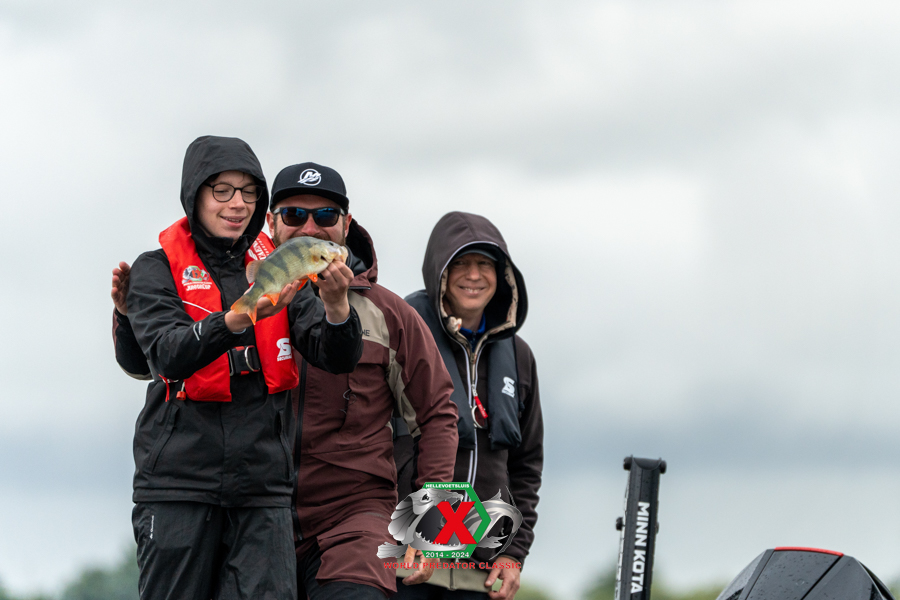
Perch
Photo source: WPC 2024 Media
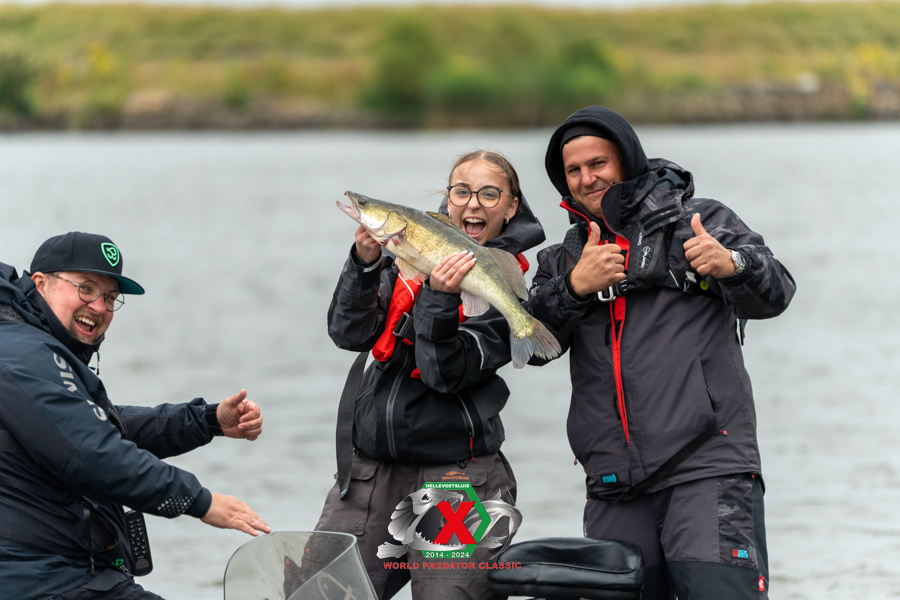
Zander
Photo source: WPC 2024 Media
The thrill of the competition
Some comments from Georgie on the competition and the experience of the World Predator Classic:
“I arrived at the Cape Helius Marina on Monday 1st July on the most beautiful summer’s day. There wasn’t a breath of wind and the lake was as still as glass. There were a few people calmly milling around the marina – checking on boats, unloading equipment and ambling down to the main HQ for registration. There was such a lovely atmosphere of comradery with a great deal of laughter, catching up with old friends and telling stories of previous angling adventures.
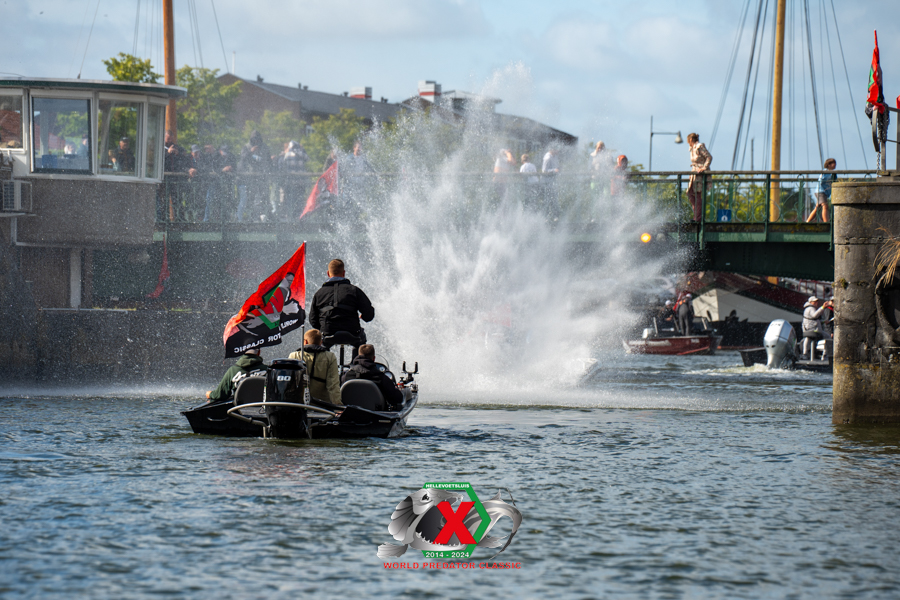
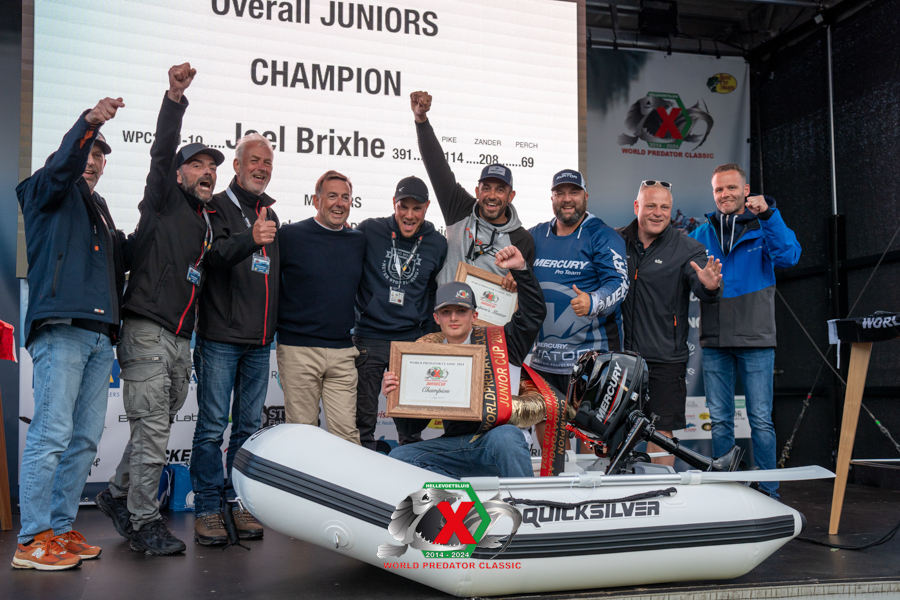
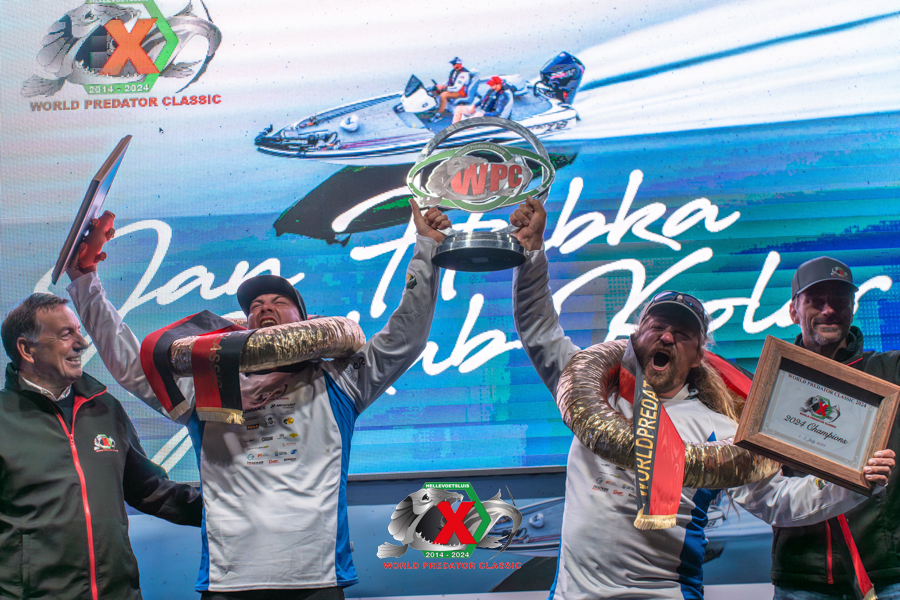
We were treated to a fantastic boat parade down the canal in Hellevoetsluis, with sweets thrown from the boats for the children on the banks and fantastic “peacock” water sprays from the boat engines. The juniors event also took place amongst great excitement with the winner Loan Brixhe taking the trophy with his two pro-angler supporters, Romain Winsherman and Pinchede Ludovic.

But how things changed on the main competition day! We woke up to thunderous black skies, a whipping wind and plenty of white horses crashing on the lake. The atmosphere was extremely tense. Light-hearted chatter was replaced by deep focus and concentration on the job at hand. Boats and kit were checked and re-checked, engines were revving, and all the time the rain came down harder and harder. I was lucky enough to take a spot on one of the Marshall’s boats, a distinctly more sturdy-looking red RIB compared to the smaller streamlined competition boats whose decks hardly lay above the surface of the lake.
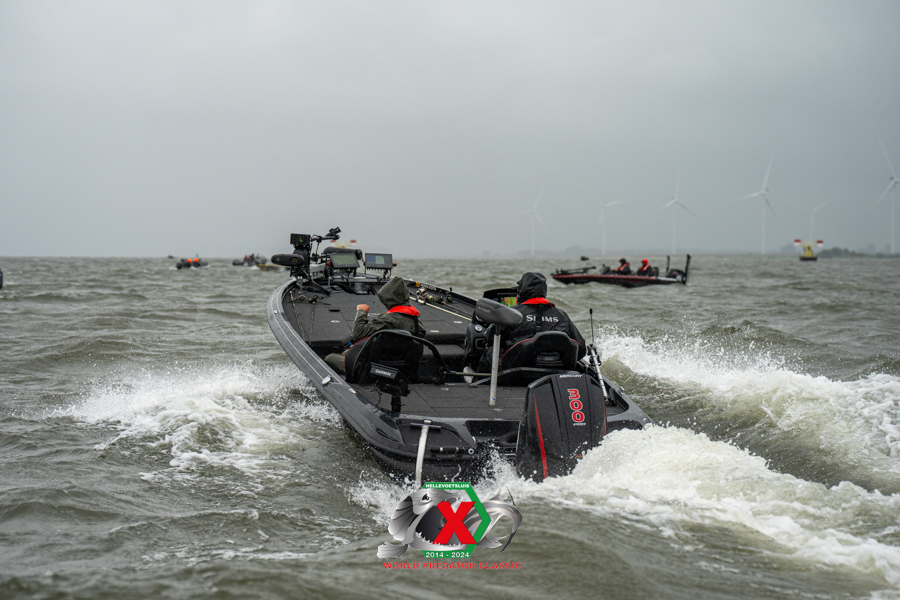

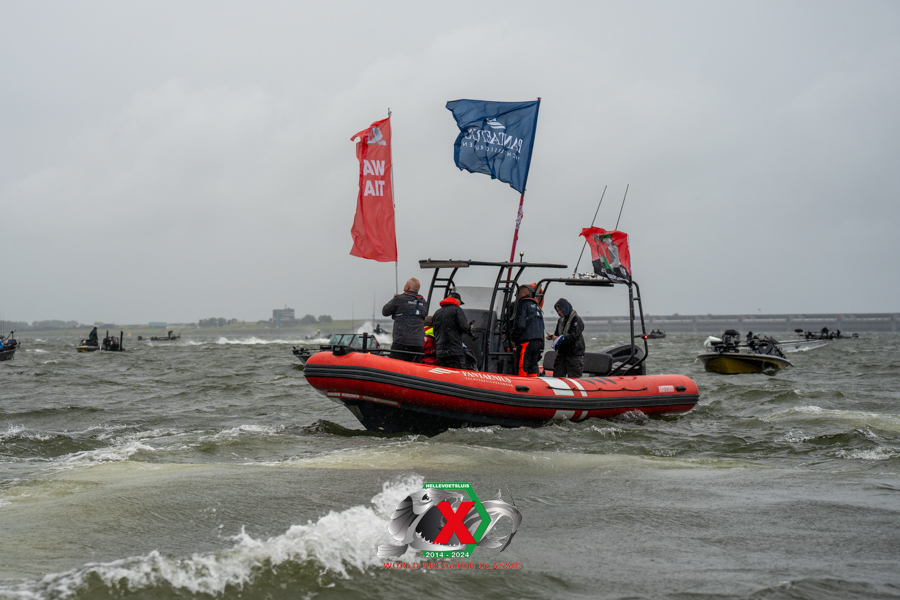
We powered out to the start line on the Haringvliet in the now driving rain and bobbed around tensely on the start line waiting for the starter signal…and once the claxon sounded they were off! Around 100 competition boats burst into life, barely touching the surface of the water as they reached break-neck speeds, whizzing across the lake and quickly disappeared into the rain and distance…”
The importance of the WPC to the CAST Project
Aside from a thrilling experience, visiting the WPC was a hugely important part of the CAST project, as we would like to see how we can transfer our methodologies to other competitions, both throughout the UK and beyond. One of the key take-home messages was that it certainly is possible, and that is very exciting indeed.
But further to this, the visit provided another opportunity to gain an understanding of the importance of this industry, not only to the competitors but the much wider community both from an economic and environmental perspective. Speaking to the anglers provided an interesting insight into how conditions have changed over the years; there is certainly the sense that the fish are much larger here than in other locations. Is this really the case? And if so, why? Could this lead to a future research project? Remember to subscribe to our newsletters to find out more.
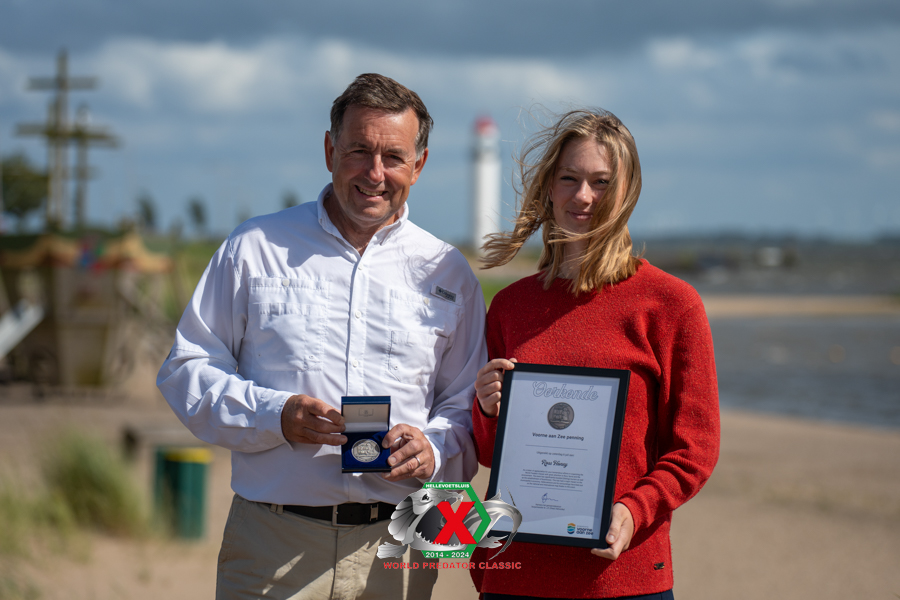
Georgie also spoke to some local business owners whose families have lived in the area for generations and have seen changes in the environment, particularly water levels rising and falling, and salt levels fluctuating with the opening and closing of the dams, as well as impacts from increasing industrialisation in the area. In fact, Ross arranged a meeting to introduce Georgie to one of the Aldermen, Daan van Orselen (photographed below being interviewed by Ross), to explain more about the CAST project as he is very passionate about conserving the local environment. Again, could this lead to an exciting research opportunity and partnership? Subscribe using the button at the bottom of the page to find out more.
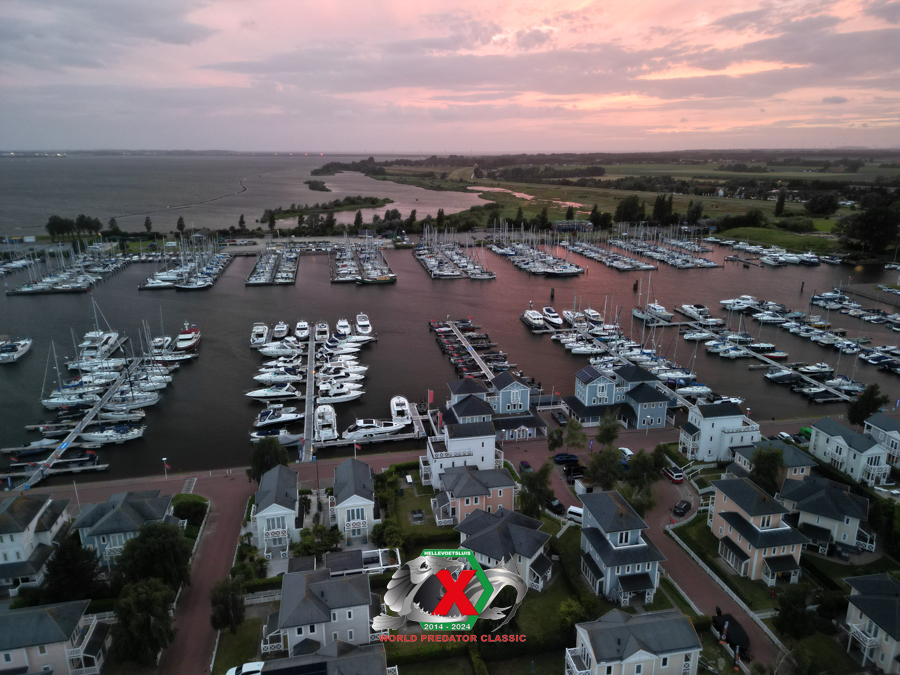
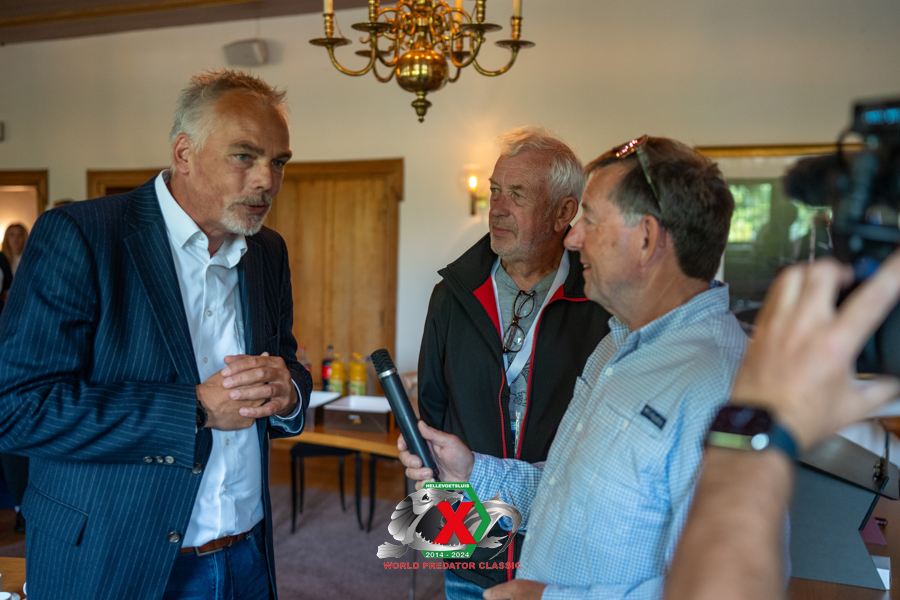
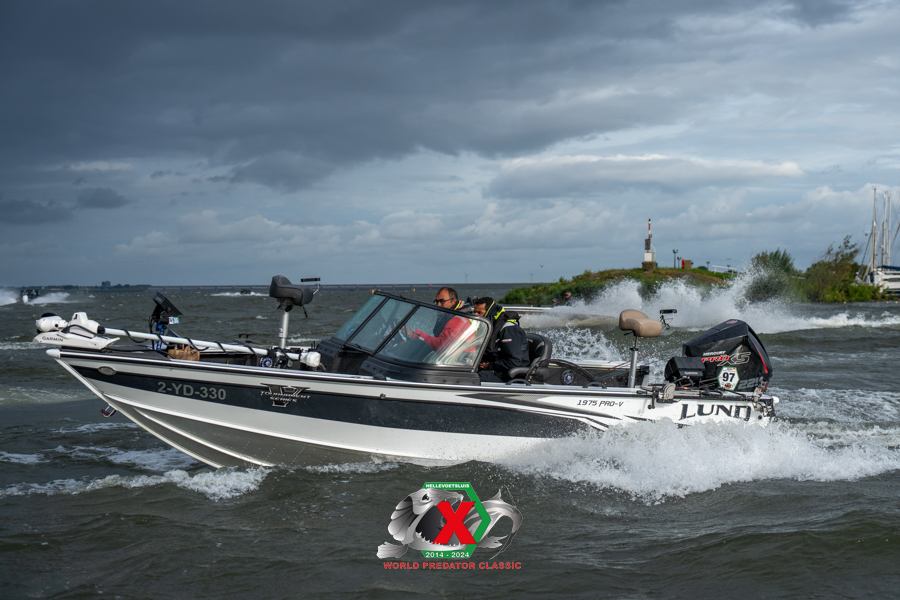
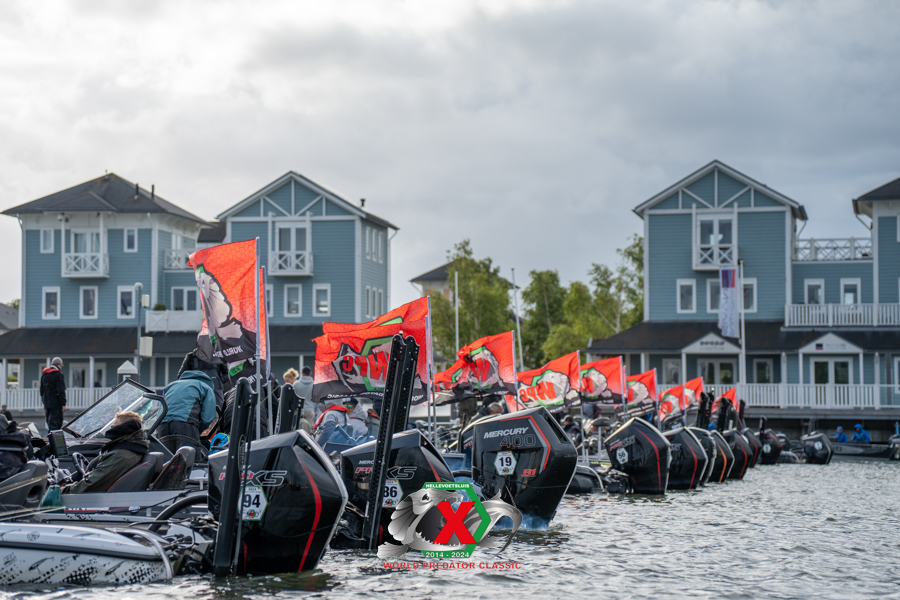
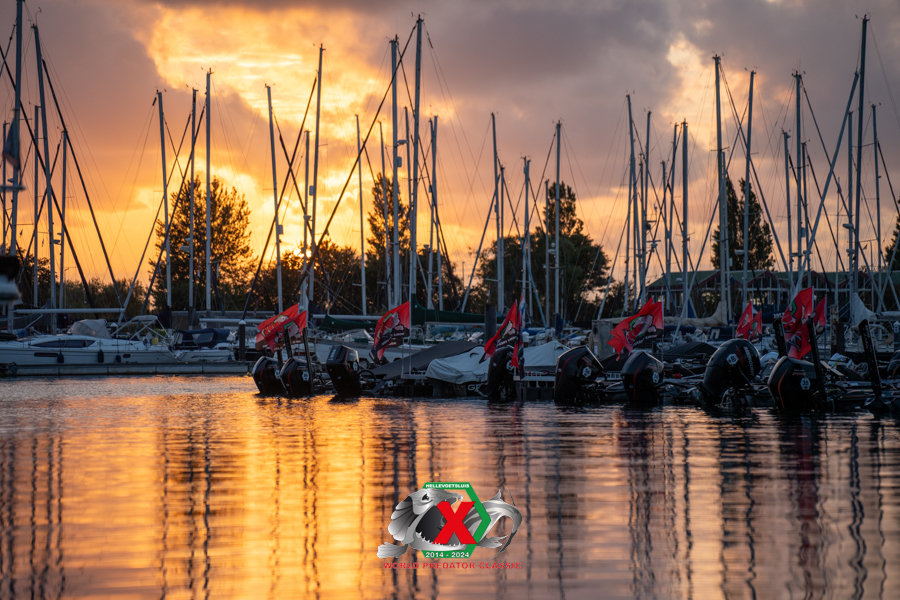
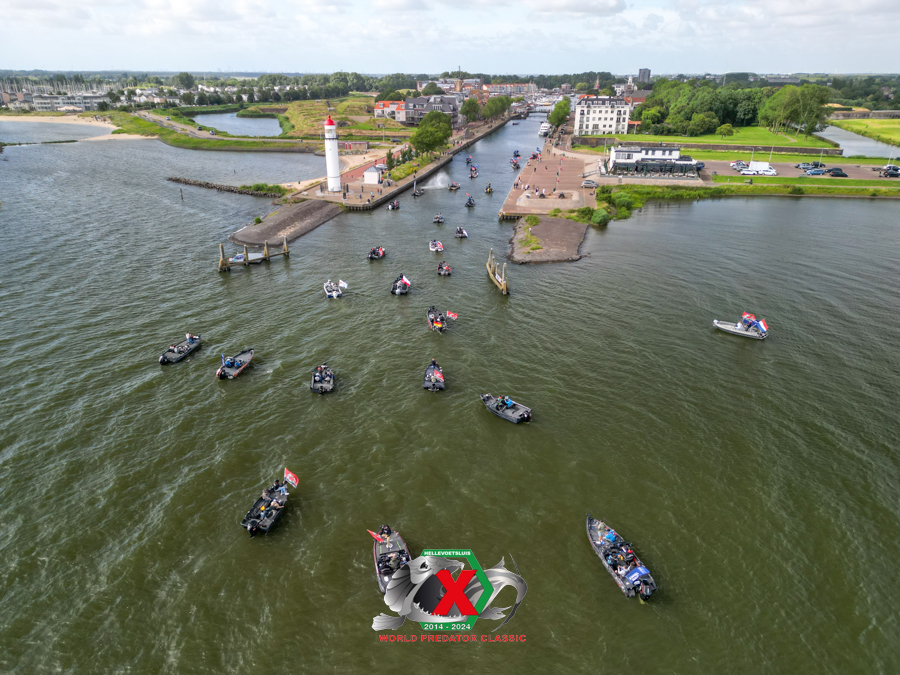
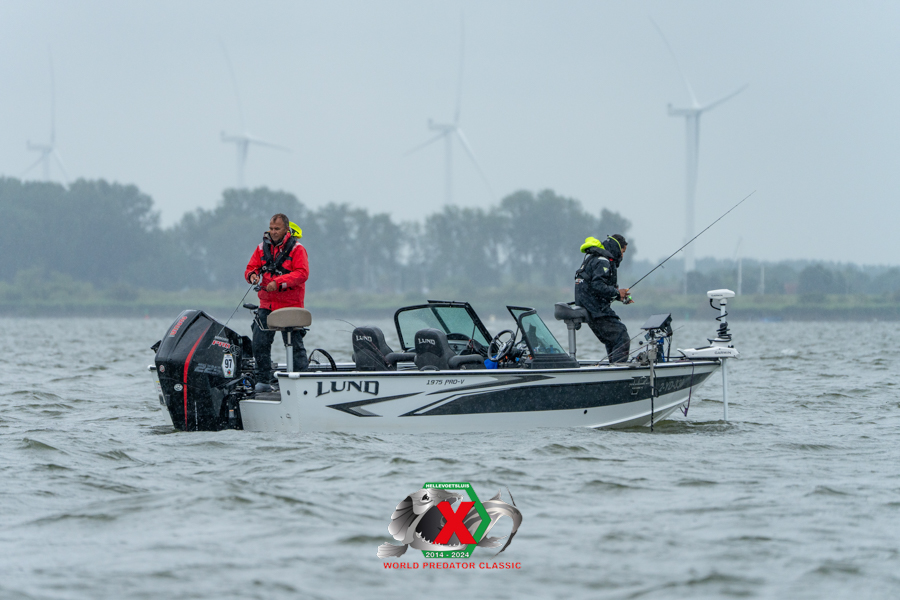
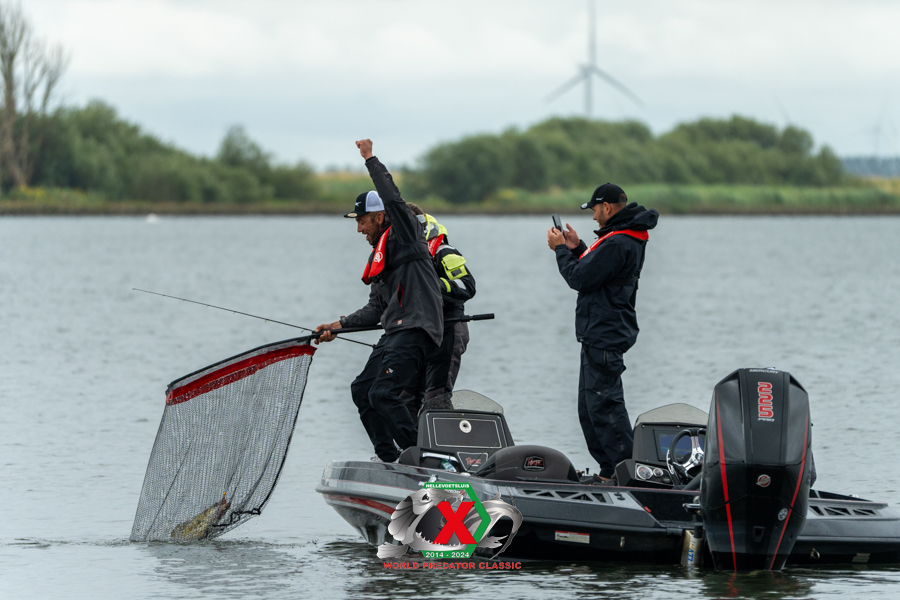
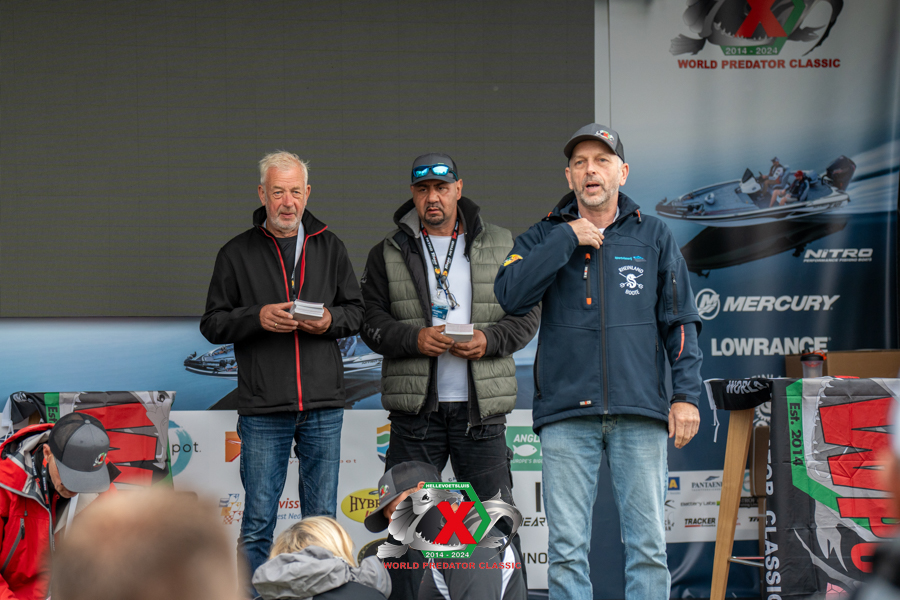
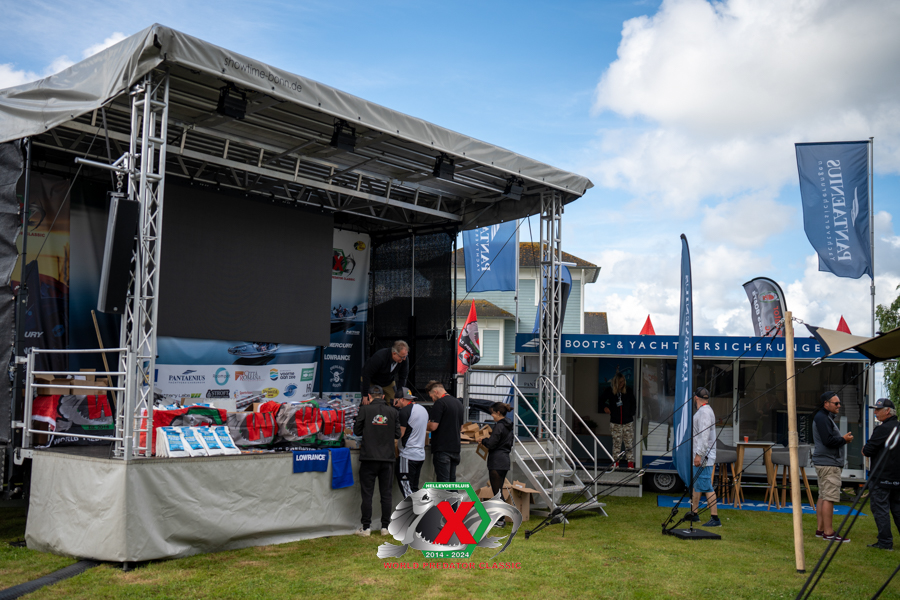
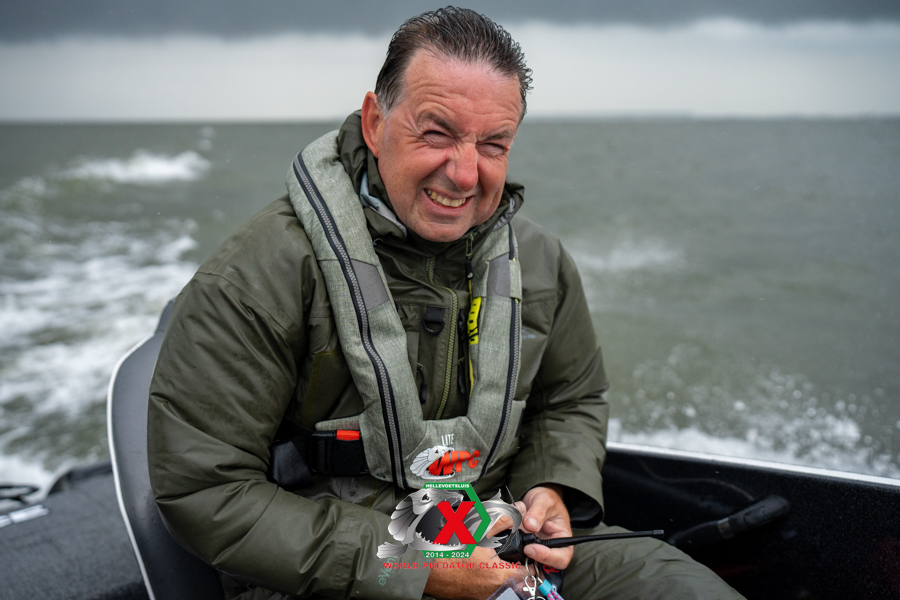
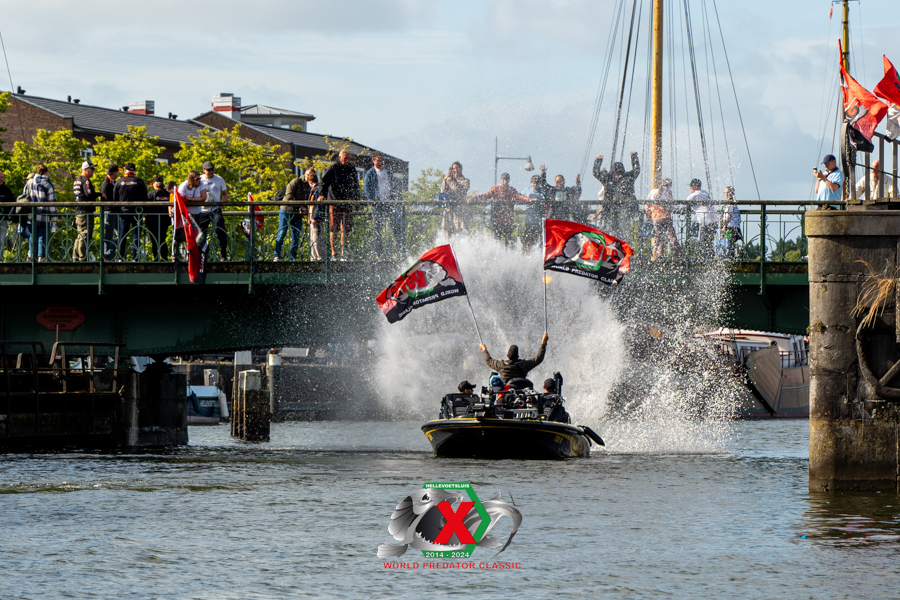
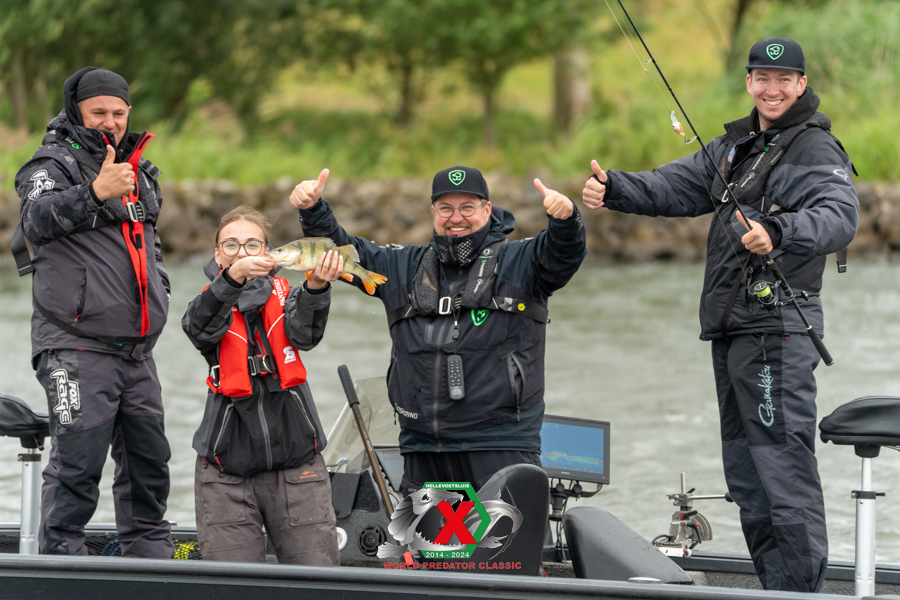
Photo credits: WPC 2024 Media
A great deal of thanks
All in all, this was an excellent trip and hugely informative. A huge thank you must be extended to Ross and Sophie Honey for making this trip (and valuable introductions) possible; for their excellent hospitality, generosity and never-ending passion and enthusiasm!
Please remember to subscribe to our newsletter to stay up-to-date with all developments of the CAST Project, and follow our Facebook and Instagram accounts below:
 CAST
CAST 
Leave a comment